Choosing Between a UWS Classic Six and Classic Seven
Trying to decide between a classic six and a classic seven on the Upper West Side can feel like choosing between two versions of New York itself. Both layouts offer prewar charm and generous proportions, but they live differently day to day. If you are weighing whether an extra bedroom is worth the premium, you are not alone. In this guide, you will learn how each plan functions, what it costs to own and adapt one, and where to find them on the UWS. Let’s dive in.
A classic six is a prewar floor plan with six principal rooms. You typically get a living room, a formal dining room, a separate kitchen, two full bedrooms, and a smaller third room near the kitchen that was historically the staff or maid’s room. Bathrooms and closets are not included in the room count. For a helpful overview, see Brownstoner’s guide to classic six apartments, which mirrors how New York listings describe these homes today. Brownstoner explains the classic six format.
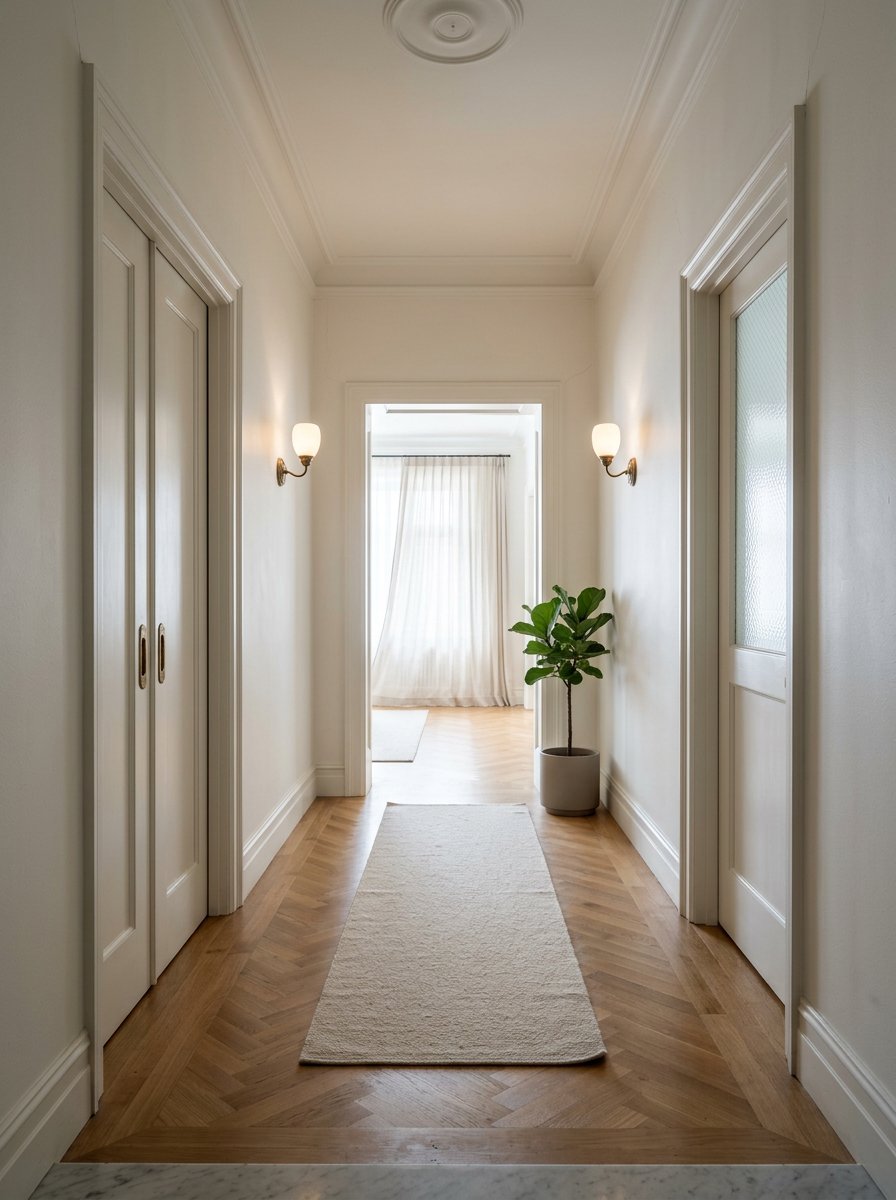
Prewar UWS apartments often have high ceilings, long galleries, separate living and dining rooms, detailed plaster moldings, and hardwood or herringbone floors. Bedroom wings are typically private, and pocket or French doors are common. Many classic sixes also include a small staff room adjacent to the kitchen, sometimes with a compact bath.
That smaller room can be ideal for a nursery, office, or short-stay guest space. Before you count it as a true third bedroom, verify that it meets New York’s habitable room and egress standards. Window, size, and ventilation rules matter for lenders, appraisers, and co-op boards. Review the Department of Buildings guidance summarized here: NYC bedroom code basics.
A classic seven is essentially a classic six with one additional principal room. In practice, that extra room is most often a third full bedroom. This is why classic sevens are popular with households that need three full-sized bedrooms without repurposing public rooms. For a concise definition, see Wikipedia’s overview of classic seven apartments.
If you have two well-sized bedrooms and a small third room that works as a nursery or office, a classic six often fits well and preserves formal entertaining spaces. When your needs call for three full-sized bedrooms, a classic seven typically provides that flexibility from day one. Brownstoner’s overview highlights how the maid’s room can function for a nursery or office, while a true third bedroom future-proofs resale. Read Brownstoner’s guide.
Many buyers prefer these layouts because defined rooms create separation for a door-closed office. A staff room adjacent to the kitchen can become a dedicated office that stays out of the main living zones. Brownstoner notes this is a common repurpose for classic sixes. See Brownstoner on use cases.
The original staff room is often repurposed as a short-stay guest space or caretaker room. Whether it works long term depends on size, windows, and building rules. If a long-term sleeping space is important, confirm that it qualifies as a legal bedroom or plan for a layout that includes three true bedrooms.
Large prewar UWS homes often come with significant monthly maintenance or common charges, especially in full-service co-ops. Recent examples show a wide range. One Upper West Side classic six closed with monthly maintenance of about 2,805 dollars per month, which illustrates the lower end of what full-service prewar buildings may charge. See the closed listing detail here: 59 West 71st Street 8A maintenance example. In many buildings, maintenance for large prewar classic layouts lands in the multiple-thousand-dollars per month range. Exact numbers vary by building services, reserves, assessments, and the unit’s size and exposure.
Sales prices also vary widely by building, floor, exposures, and renovation level. For that reason, most buyers compare apples to apples within the same building or a tight micro-market to understand whether the extra room in a classic seven justifies the premium.
Most classic six and seven apartments on the UWS are in prewar co-ops. Co-ops usually have stricter underwriting and longer approvals. They also tend to impose more prescriptive renovation rules. Condos often allow faster approvals and more interior flexibility, which can matter if you plan to reconfigure rooms. For a practical comparison of renovation latitude, see co-op vs condo renovation differences.
Marketing language sometimes labels the staff room as a third bedroom. Lenders and boards look at legal definitions. Confirm window, size, and egress before you price the apartment as a three-bedroom. For code basics that guide lenders and appraisers, review NYC bedroom requirements.
Classic six and seven layouts are concentrated in prewar elevator co-ops built from roughly 1900 to 1940. On the Upper West Side, look along Central Park West, Riverside Drive, West End Avenue, and mid-blocks throughout the West 60s through West 90s. You will also find examples in select prewar buildings on Broadway, Columbus Avenue, and Amsterdam Avenue. Architectural icons like the San Remo, the Eldorado, and the Dakota are well-known for large prewar floor plans.
Choose the layout that solves your real, daily needs and keeps your exit strategy intact. If a nursery or office near the kitchen is all you need, a well-laid-out classic six can be a smart, elegant choice. If you require three full-sized bedrooms with long-term flexibility, a classic seven typically commands a premium but can be worth it in both function and resale. Confirm legal bedroom status, understand carrying costs, and know your building’s renovation rules before you commit.
If you would like a confidential, high-touch review of options tailored to your timeline, building preferences, and renovation appetite, connect with Marina Bernshtein. We will help you model the tradeoffs and secure the right home on the Upper West Side.
Marina developed the tenacity to face challenges and adversity in fast-paced environments early on and has continued to excel. Marina is happiest when she finds the perfect home for her buyers or renters and achieves the optimal value for her sellers. Contact her today!