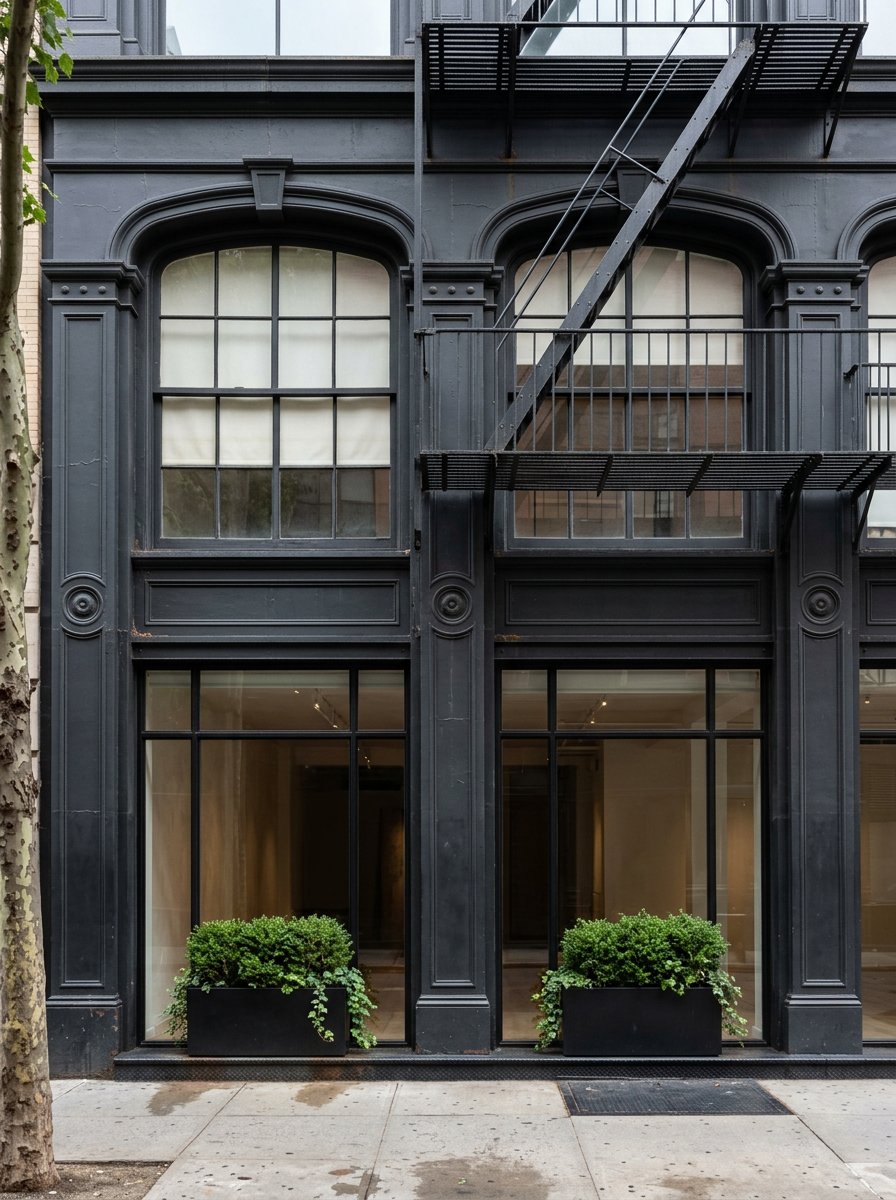
Smart Strategies for Buying SoHo Cast Iron Lofts
If you love sunlight pouring through tall arched windows, original columns, and the quiet drama of cast iron, a SoHo loft is hard to resist. Buying in this historic district is different from a typical condo purchase, though. Landmark rules, older building systems, and unique ownership structures can change your timeline, budget, and renovation plans. This guide gives you a clear roadmap so you can buy with confidence and protect your investment. Let’s dive in.
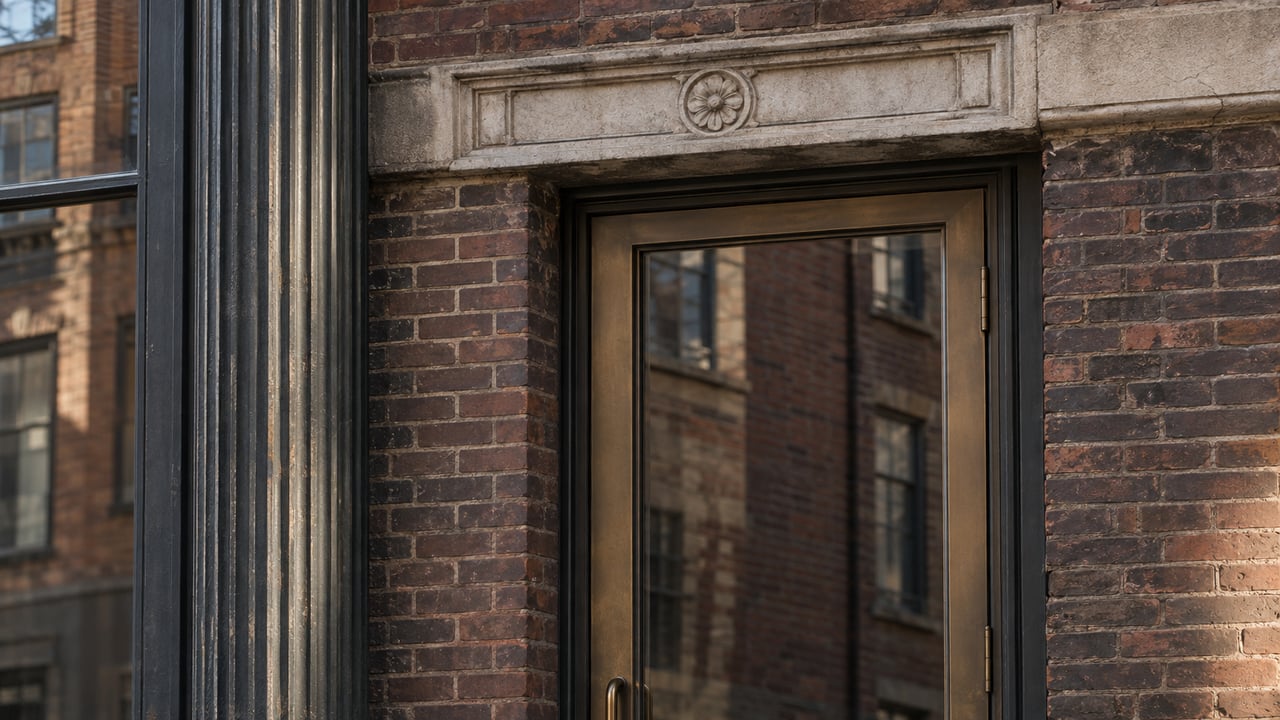
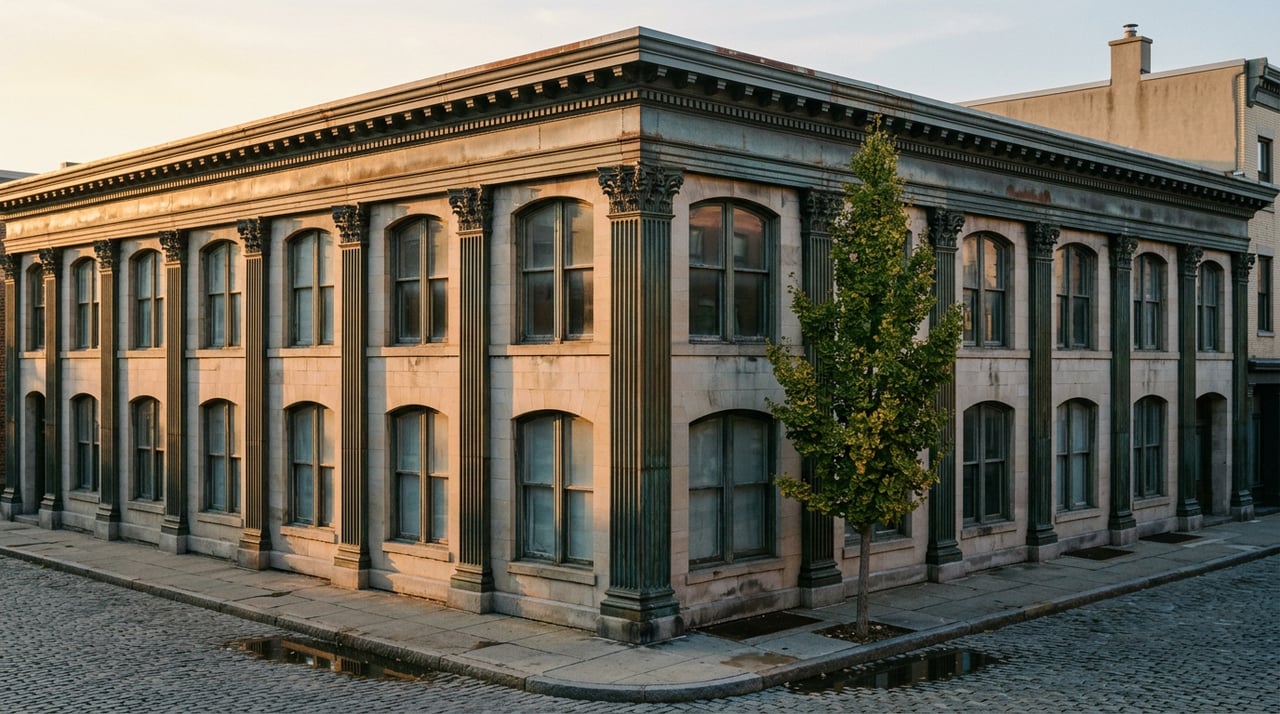
SoHo’s identity is cast in iron. The neighborhood’s store-and-loft buildings, protected within the SoHo–Cast Iron Historic District, create a streetscape of elegant façades and generous windows. The historic district was designated in 1973 and extended in 2010, and those protections remain central to how properties are maintained and improved today. You can explore the district’s background in the official designation report from the Landmarks Preservation Commission.
Buyers prize SoHo for open floor plates, high ceilings, and abundant daylight. Authentic cast-iron lofts are scarce, and the best examples trade at a premium. That scarcity, paired with strong design appeal, is why preparing well and moving decisively matters when the right residence appears.
Owning in a landmarked district means exterior changes are reviewed for historic appropriateness. Windows, storefronts, painted façades, visible rooftop work, and signage typically require a permit from the Landmarks Preservation Commission (LPC). Minor, in-kind repairs can sometimes be approved at staff level, while visible or material changes may require a public hearing. Review LPC’s permit guidance for exterior work to understand the process.
Interiors are usually not landmarked unless specifically designated. That said, any change that affects the exterior appearance, such as new window profiles, visible roof equipment, or vents, will likely need LPC approval. Recent city planning around SoHo and NoHo has also updated use and bulk rules for the area. Site-by-site effects vary, so checking parcel-specific filings during due diligence is smart.
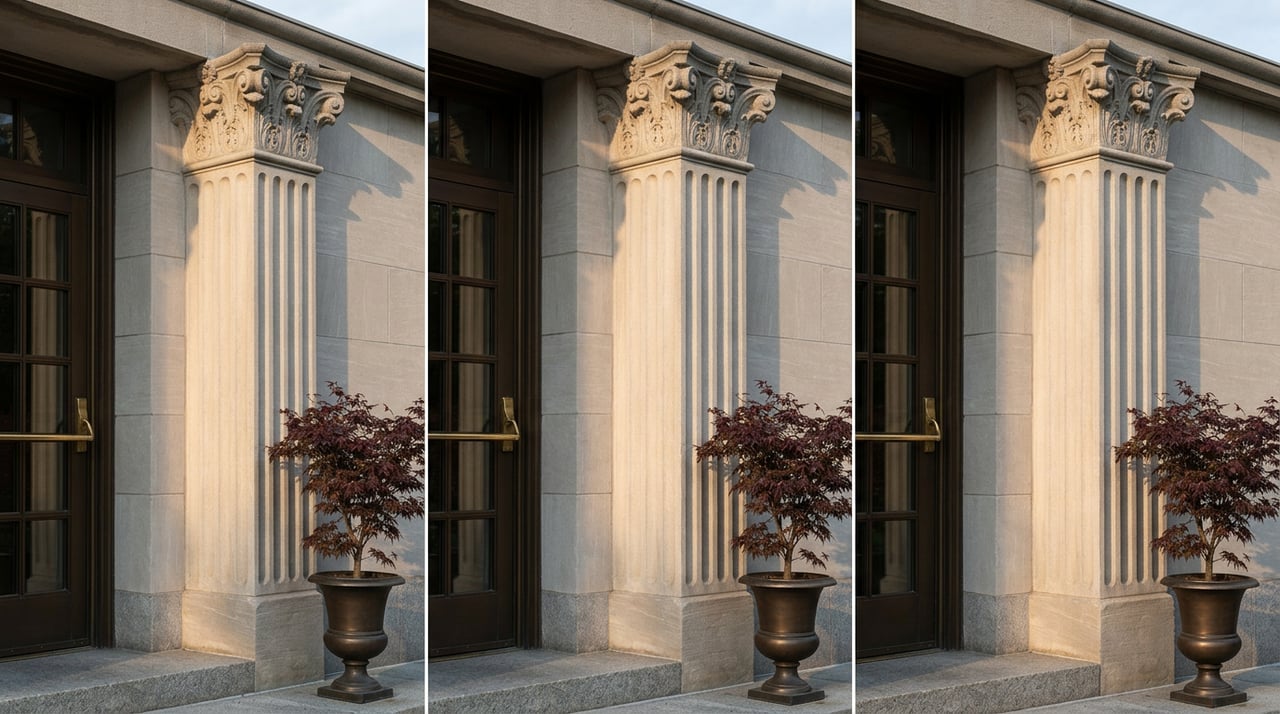
Cast-iron façades are decorative skins attached to the building structure. They enable the wide windows and slender columns that make lofts feel expansive. Over time, cast iron can corrode if it gets wet, and anchors, joints, and coatings require periodic attention. Preservation experts recommend preventive care and historically appropriate repair methods. For a deeper look at best practices, see the National Park Service’s Preservation Brief on cast iron.
In practice, you should expect cyclical painting and occasional restoration projects. Ask for recent façade reports and any planned work. Sidewalk bridges or scaffolding can be a sign of active Local Law 11 or other façade repairs. Budget for these projects, especially in smaller co-ops where assessments are spread among fewer owners.
Lofts often feature very high ceilings, large single-plane rooms, and wide windows. These volumes are part of the magic. They can also limit reconfiguration because there are fewer interior bearing walls, and historic window profiles may be sensitive to change. If your vision includes new window systems or visible rooftop equipment, expect an LPC permit review and a specialized contractor.
Many buildings have original freight or service elevators. A freight elevator may not legally substitute for a passenger elevator without upgrades. If a car opens directly into a unit, review how it is classified and whether it can be used for passenger access. Converting or reclassifying can be technical and costly, and it can trigger Department of Buildings and ASME requirements. Confirm the elevator’s classification, last inspection, and potential upgrade path using the city’s elevator code references as a starting point for your consultant.
Water is the enemy of cast iron. Verify roof condition, flashing, and any history of water infiltration. Ask for reports on anchors and façade elements, and look for a written maintenance plan. Periodic sidewalk bridges can be normal in SoHo, but you want to know the scope, timeline, and budget impact for any active or pending projects.
Both condos and co-ops exist in SoHo. The form of ownership changes your approval path, your costs, and your flexibility post-closing.
Before you commit, review the offering plan for conversions, bylaws or proprietary lease, house rules, budgets, and board minutes. The New York Attorney General’s office offers clear guidance on what to review in co-op and condo purchases. Start with the AG’s buyer education on co-ops and condos.
Some SoHo properties were covered by New York’s Loft Law, which created a path to legalize certain residential lofts known as interim multiple dwellings, or IMDs. Legalization affects safety upgrades, rent regulation questions, and timelines for compliance. If you suspect Loft Law history, confirm whether the building is registered and whether there are open requirements or disputes. The Loft Board’s rules and resources are your primary reference.
Always verify the building’s Certificate of Occupancy or Temporary Certificate of Occupancy and make sure your intended use matches the CO. Open Department of Buildings violations can delay closings and complicate financing. You can confirm CO or TCO status through the DOB’s Certificate of Occupancy portal and have your attorney pull a full report.
Your attorney and title team will search ACRIS for the chain of title, recorded mortgages, easements, judgments, and sponsor documents. ACRIS is the City Register’s system for recorded property data. You can review what is publicly recorded at the ACRIS property records portal.
New York State imposes a real estate transfer tax on most transfers, and many residential purchases at or above $1,000,000 incur a buyer-paid mansion tax. Review the state’s overview on the Real Estate Transfer Tax and confirm current rates with your attorney before you sign a contract.
New York City also levies its Real Property Transfer Tax, which has tiered rates based on price and transfer type. These taxes can be material on high-end SoHo transactions, so plan your cash at closing accordingly. You can read more on the city’s Real Property Transfer Tax guidance.
Many classic lofts were not built with central HVAC. Adding modern systems can require new mechanical chases, roof or bulkhead work, and LPC review for any equipment visible from the street. Window replacement is common but often sensitive because LPC prioritizes preserving profiles and dimensions on landmark façades. For exterior changes, start with LPC’s permit guidance for storefronts and visible elements and engage an architect who has worked on landmarked buildings.
Open plans, hard floors, and high ceilings can amplify both impact and airborne noise. Many buildings use house rules to reduce conflicts, like requiring area rugs or specifying underlay performance. If you are sensitive to sound, discuss options with your designer, such as resilient underlay, floating floors, acoustic doors, and double-glazed windows where permitted. These choices can greatly improve day-to-day livability.
Rooftop elements that are visible from public ways generally require LPC review, and most work will also need DOB permits. Some buildings grant specific roof rights via recorded easements. Verify any claimed private roof rights in the recorded documents and review building rules before you price those features into an offer.
A direct freight entrance can be convenient for art deliveries or renovations. If you plan to use a freight car for passenger access, discuss feasibility with an architect and elevator consultant early. Reclassification can mean compliance upgrades and city approvals. Use the DOB’s elevator code references to inform your due diligence and scope.
Use this list before you make an offer and again during contract diligence:
Governing documents
Public records and permits
Physical condition
Building finances and assessments
Occupancy and rental rules
Renovation path and timelines
Noise and lifestyle fit
When you are ready for a curated search and a disciplined purchase plan, you deserve quiet, results-driven representation that protects your time and privacy. For a confidential, high-touch process tailored to you, connect with Marina Bernshtein.

Marina developed the tenacity to face challenges and adversity in fast-paced environments early on and has continued to excel. Marina is happiest when she finds the perfect home for her buyers or renters and achieves the optimal value for her sellers. Contact her today!