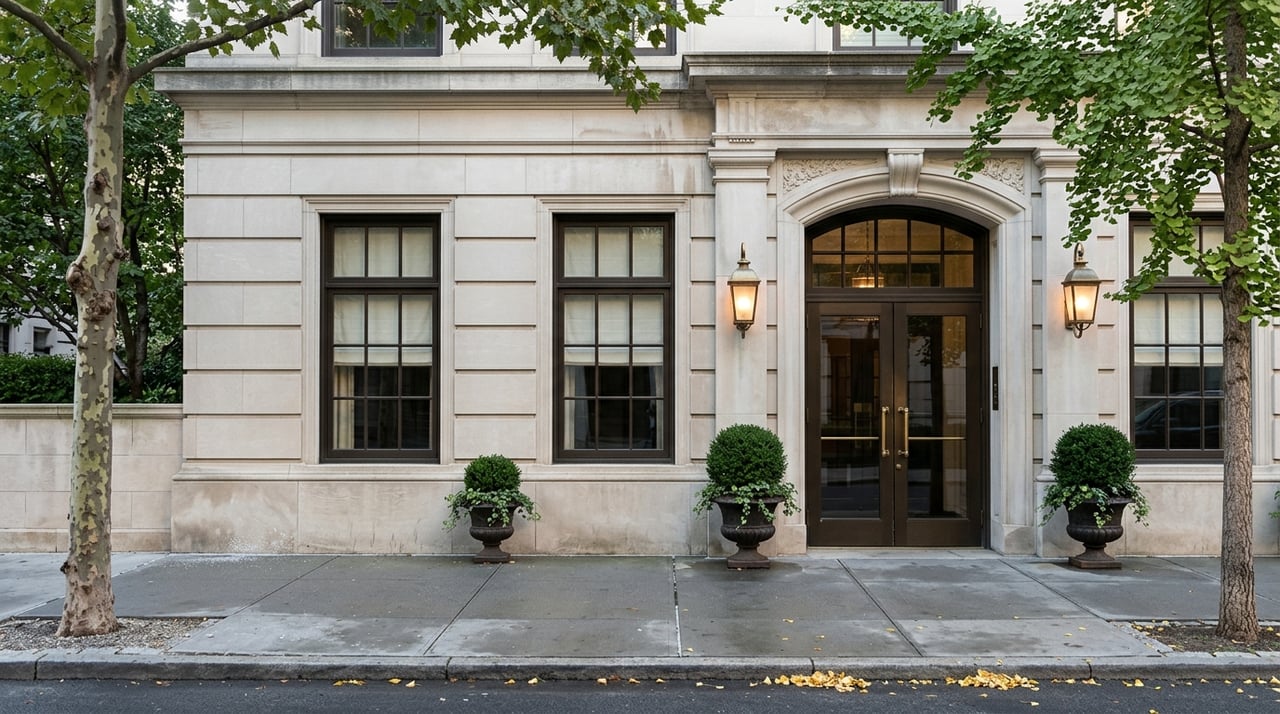
Central Park West Living on the UWS: What to Expect
If you are considering Central Park West, you are likely looking for more than an address. You are looking for a very specific Manhattan experience: park views, historic architecture, cultural depth, and a daily rhythm that feels both elegant and practical. Along this stretch of the Upper West Side, those pieces come together in a way that is difficult to replicate elsewhere in the city. Let’s take a closer look.
Central Park West sits along the eastern edge of the Upper West Side, with Central Park on one side and residential blocks stretching west toward the Hudson River. In Manhattan Community District 7, the broader Upper West Side runs from 59th Street to 110th Street and from Central Park West to the Hudson River. According to Manhattan Community Board 7, the district is home to 207,700 people and is shaped by parks, cultural institutions, restaurants, retail, and varied architecture.
What makes Central Park West feel distinct is its setting. You have immediate access to one of the world’s most recognized urban parks, but you are also living within a deeply residential neighborhood. That balance gives the avenue a composed, established character that appeals to buyers who want both beauty and day-to-day function.
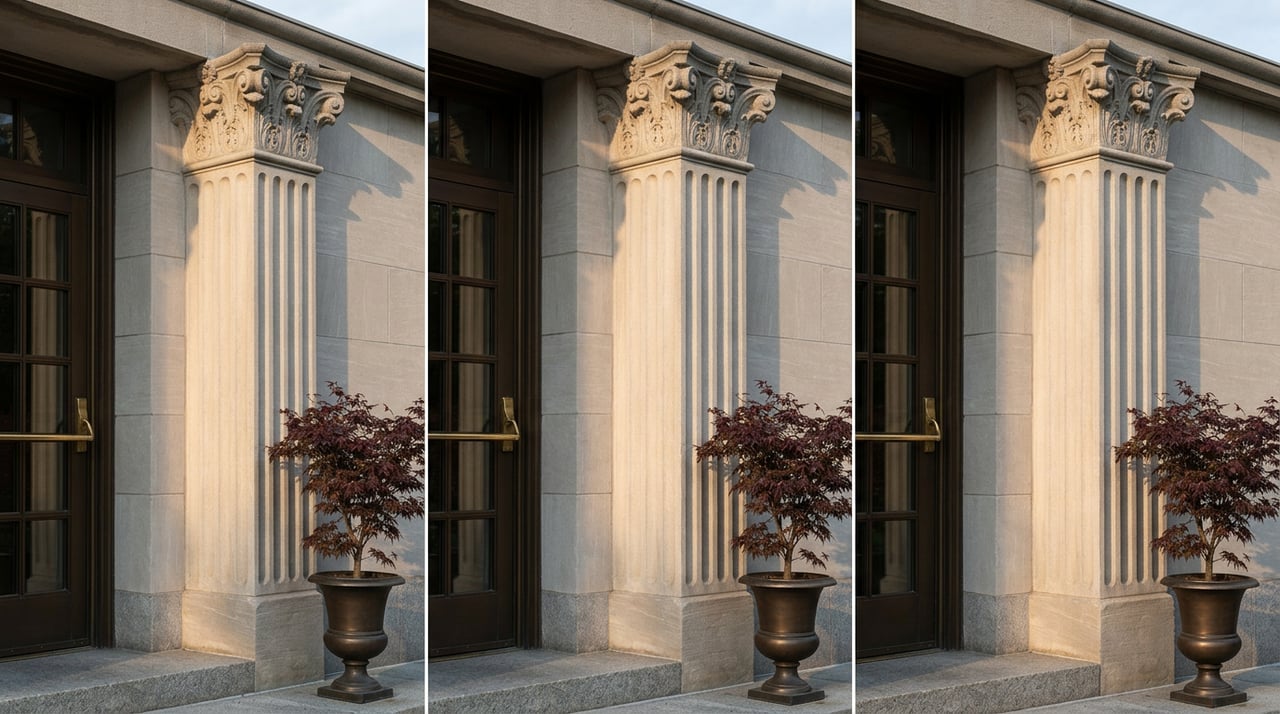
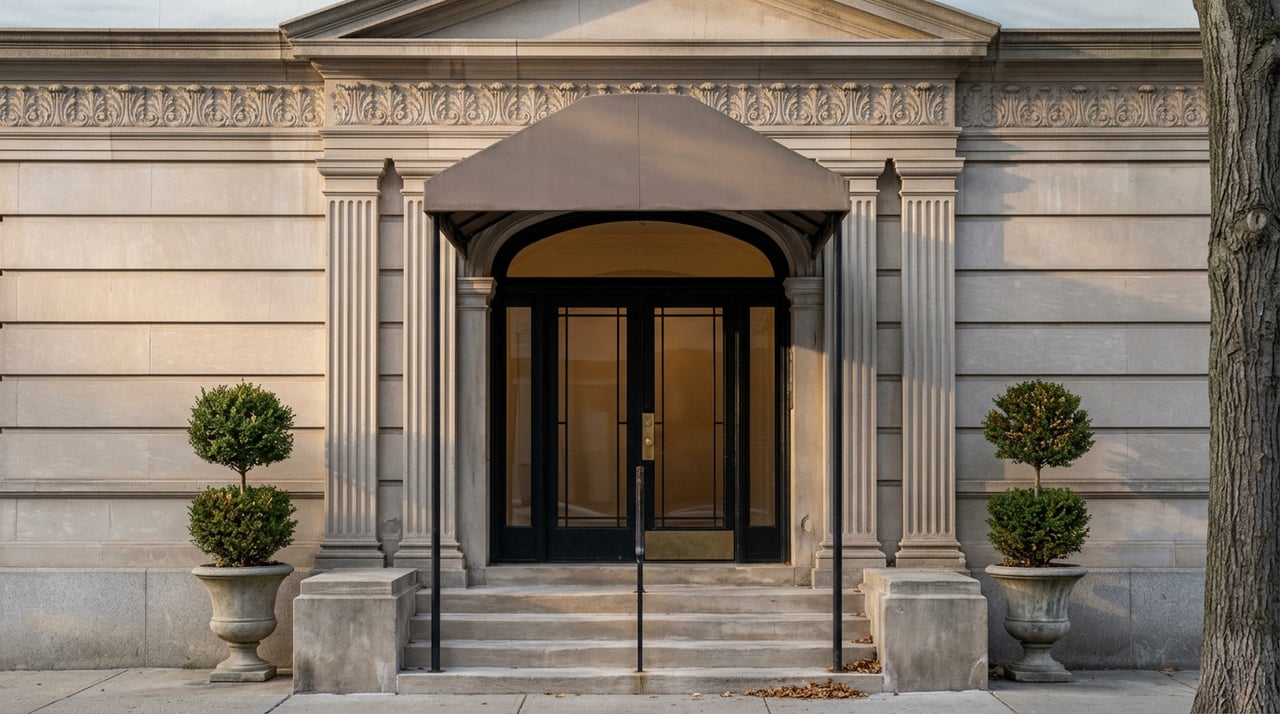
A large part of Central Park West’s identity comes from its historic fabric. The Upper West Side/Central Park West Historic District was designated in 1990, helping preserve the avenue’s consistent prewar and landmarked character. As you move along the corridor, the visual continuity is hard to miss.
The Landmarks Preservation Commission has noted that the Upper West Side became one of New York City’s most important centers for apartment house construction around the turn of the century. It also points to the area as having the city’s highest concentration of notable turn-of-the-century apartment buildings. On Central Park West, buildings such as the Prasada, the Langham, the Kenilworth, and the St. Urban help define that architectural legacy.
For many buyers, this is central to the appeal. The avenue offers a level of architectural presence and historic consistency that feels unusually intact, even by Manhattan standards.
While Central Park West is known for its grand prewar buildings, the surrounding Upper West Side adds range and texture. City Planning describes the area west of Amsterdam Avenue as a mix of dense tall buildings on wide avenues, smaller-scale townhouses and multifamily apartment buildings on narrower streets, and large prewar buildings along Riverside Drive and West End Avenue.
Farther north, Manhattan Valley has a different but equally recognizable pattern. There, City Planning describes blocks lined with four- to five-story apartment buildings and row houses, generally built between 1900 and 1920. For buyers, that means the broader Upper West Side is not one-note. Even if your focus is Central Park West, the surrounding neighborhood contributes to the area’s layered, established feel.
Living on Central Park West means Central Park is not a destination you plan around. It becomes part of your everyday life. That changes the rhythm of the neighborhood in a meaningful way.
The Central Park Conservancy maps several popular routes used by runners and walkers, including a 6.02-mile full park loop, a 1.58-mile Reservoir Running Track, and a 1.66-mile Bridle Path loop. For residents who value outdoor activity, that kind of access is a major amenity. It is worth noting that Park Drives are shared by runners, walkers, skaters, horse carriages, and others, and can become congested on weekends and pleasant-weather days.
That practical detail matters. The park is an extraordinary asset, but like any heavily used New York amenity, the experience can vary depending on time and day.
Central Park West also places you near some of Manhattan’s strongest cultural anchors. For many buyers, this is not just a lifestyle perk. It is part of what gives the area long-term resonance and identity.
To the south, Lincoln Center’s 16.3-acre campus is home to 11 performing arts and arts education nonprofits. Along Central Park West itself, the American Museum of Natural History sits at 200 Central Park West and is open daily from 10 a.m. to 5:30 p.m. The New-York Historical is located at 170 Central Park West at Richard Gilder Way and adds another major institution to the avenue’s cultural profile.
Taken together, these destinations create an unusual concentration of established institutions within close reach. That kind of cultural infrastructure is one reason the neighborhood continues to attract buyers who value both access and permanence.
For all its historic character, Central Park West remains highly practical. Transit access is one of the clearest day-to-day advantages for residents.
According to the MTA neighborhood map, nearby subway access includes 59 St-Columbus Circle with A, C, D, and 1 service; 66 St-Lincoln Center with the 1; 72 St with the 1, 2, and 3; 79 St with the 1; 86 St with the 1; 96 St with the 1, 2, and 3; and 81 St-Museum of Natural History with B and C service. This gives residents multiple options depending on where they are headed in Manhattan or beyond.
There is also an accessibility point worth knowing. The American Museum of Natural History notes that the 81st Street station is not wheelchair accessible, and that the closest accessible subway station is 72nd Street on the 1, 2, and 3, with an M7 connection.
One of the useful realities of living on Central Park West is that the avenue itself is not the neighborhood’s main errand corridor. Daily shopping and services tend to cluster one or two avenues west, primarily along Broadway, Amsterdam Avenue, and Columbus Avenue.
City Planning has described these corridors as important neighborhood retail streets, with goals that include preserving a multi-store character, supporting diverse retail and service options, and promoting active pedestrian environments. In practical terms, that means you may live on a quieter, more formal avenue while relying on nearby westward corridors for groceries, casual dining, and everyday services.
For many buyers, that is part of the appeal. Central Park West offers a more residential frontage, while the broader Upper West Side provides the convenience layer nearby.
Historic character often comes with additional process. On Central Park West, that is an important point to understand early.
The Landmarks Preservation Commission states that it must approve in advance any alteration, reconstruction, demolition, or new construction affecting a designated building. Owners of buildings in historic districts generally must obtain permits for most exterior alterations. Interior work is usually treated separately unless it affects the exterior or involves a designated interior landmark.
For buyers, this does not mean change is impossible. It means the process may be more structured than in a non-landmarked property. If you are considering a residence with future renovation plans, this is a practical issue to evaluate from the start.
For buyers who want school district context as part of their search, the Upper West Side falls within New York City’s District 3, which includes Lincoln Square and the Upper West Side. Manhattan Community Board 7 notes that most public-school students in Community District 7 are part of Community School District 3, and it describes CSD3 as one of the city’s most diverse public school districts.
This is one part of the broader neighborhood picture. If school access is relevant to your search, district boundaries and commute patterns are useful factors to review alongside building type, transit access, and daily lifestyle needs.
In simple terms, Central Park West offers a combination that is hard to duplicate in Manhattan. You get immediate park access, a strong concentration of landmarked prewar buildings, excellent transit connections, and close proximity to major cultural institutions.
At the same time, the avenue works best when you understand its practical nuances. Exterior alterations may involve additional review, and everyday errands usually happen on Broadway, Amsterdam, or Columbus rather than on Central Park West itself. For many buyers, that balance is exactly the point: a stately residential setting with the energy and convenience of the Upper West Side just steps away.
If you are evaluating Central Park West or comparing it with other Manhattan park-adjacent enclaves, working with an advisor who understands both the asset class and the micro-market can make your search far more efficient. To discuss Upper West Side opportunities with discretion and clarity, schedule a confidential consultation with Marina Bernshtein.
Marina developed the tenacity to face challenges and adversity in fast-paced environments early on and has continued to excel. Marina is happiest when she finds the perfect home for her buyers or renters and achieves the optimal value for her sellers. Contact her today!