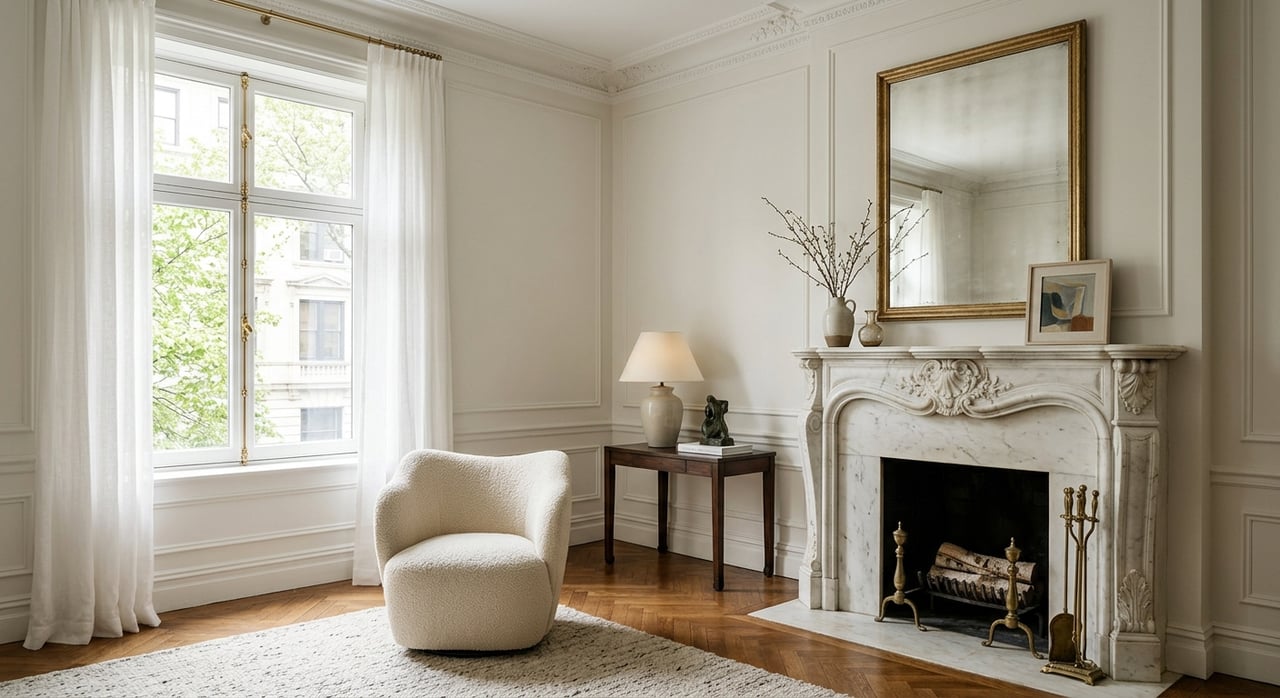
Why a Museum Mile Pied-a-Terre Suits Upper East Side Living
What if your Manhattan second home made the city feel easier, not busier? If you are considering a pied-à-terre, you are likely looking for more than a prestigious address. You want a home base that is elegant, practical, and easy to enjoy on your own schedule. On the Upper East Side, Museum Mile offers exactly that mix. Let’s take a closer look.
Museum Mile is often described through its famous institutions, but daily life here is about rhythm as much as culture. The corridor stretches along Fifth Avenue, with destinations including The Metropolitan Museum of Art at 82nd Street, the Guggenheim near 88th and 89th Streets, Neue Galerie at 86th Street, Cooper Hewitt at 91st Street, the Jewish Museum at 92nd Street, the Museum of the City of New York at 103rd Street, and El Museo del Barrio at 104th Street.
What matters for a pied-à-terre owner is how compact and repeatable this setting feels. You can step out for a museum visit, walk through Central Park, stop for lunch, and handle a quick errand without turning it into a full-day production. That is what gives Museum Mile its appeal as a true home base.
StreetEasy describes the Upper East Side as lively but calm and unhurried, with historic architecture, clean sidewalks, and Central Park as the defining amenity. That balance is a large part of the neighborhood’s staying power. It feels established, polished, and easy to return to.
One of the clearest advantages of Museum Mile is that daily life can stay pleasantly small-scale. For part-time residents, that matters. You want the city at your doorstep, but you also want routines that work whether you are in town for two days or two months.
Central Park is central to that routine. According to the Central Park Conservancy, the Reservoir running track is a 1.58-mile loop from 86th to 96th Streets, the park drives form a 6.1-mile loop, and the Great Lawn sits between 79th and 85th Streets. The East 72nd Street kiosk also provides maps and directions, which speaks to how walkable and easy to navigate this area can be.
That makes a simple morning look very appealing. You can start with a walk or run, head back for coffee, and still have the rest of the day open for meetings, shopping, or time at home. In a city where logistics can shape your entire day, this kind of ease is a real luxury.
Museum Mile stands out because culture is woven into normal life rather than set apart from it. You do not have to plan a major outing to enjoy the neighborhood’s best features. They are simply part of the landscape.
Cooper Hewitt’s garden and Tarallucci e Vino café are accessible without museum admission, which makes the area feel flexible and low-pressure. A stop near a museum can become a coffee break, a casual meeting, or a short afternoon reset. That is especially useful if you use your pied-à-terre as a base between work, travel, or social commitments.
Madison Avenue adds another layer to the experience. The Madison Avenue BID describes it as one of the world’s premier luxury shopping districts, with shopping, dining, hotels, and art destinations across the Upper East Side. In practical terms, that means you can combine errands and leisure in a way that feels efficient rather than hurried.
Prestige often comes with inconvenience, but that is not the case here. The Upper East Side offers a level of daily support that makes part-time living much more manageable.
GrowNYC’s 82nd Street Greenmarket runs every Saturday year-round, giving you a reliable neighborhood option for fresh provisions. Whole Foods at 1551 Third Avenue offers pickup and delivery, and Citarella highlights same-day delivery and prepared foods. For someone arriving from out of town, those details matter.
A pied-à-terre works best when it is operationally simple. If groceries, prepared meals, and basic household needs are easy to manage, your home feels ready when you are. That is one reason Museum Mile tends to appeal to buyers who want convenience without sacrificing location.
If you picture daily life here, it is less about driving and more about moving easily on foot and by transit. The neighborhood is served by the Lexington Avenue 4, 5, and 6 lines, the Second Avenue Q near 86th Street, buses such as the M1 through M4 along Madison and Fifth Avenues, and the M86 crosstown bus.
Those transit patterns show up repeatedly in museum directions across the area, which reinforces a simple point. Museum Mile functions best as a walk-and-transit neighborhood. Taxis and rideshares are easy to find, but much of the appeal is that you often do not need them.
For a second-home owner, that can make the city feel more accessible. You can move between your apartment, Central Park, a museum, a restaurant, and a grocery run without adding friction to the day.
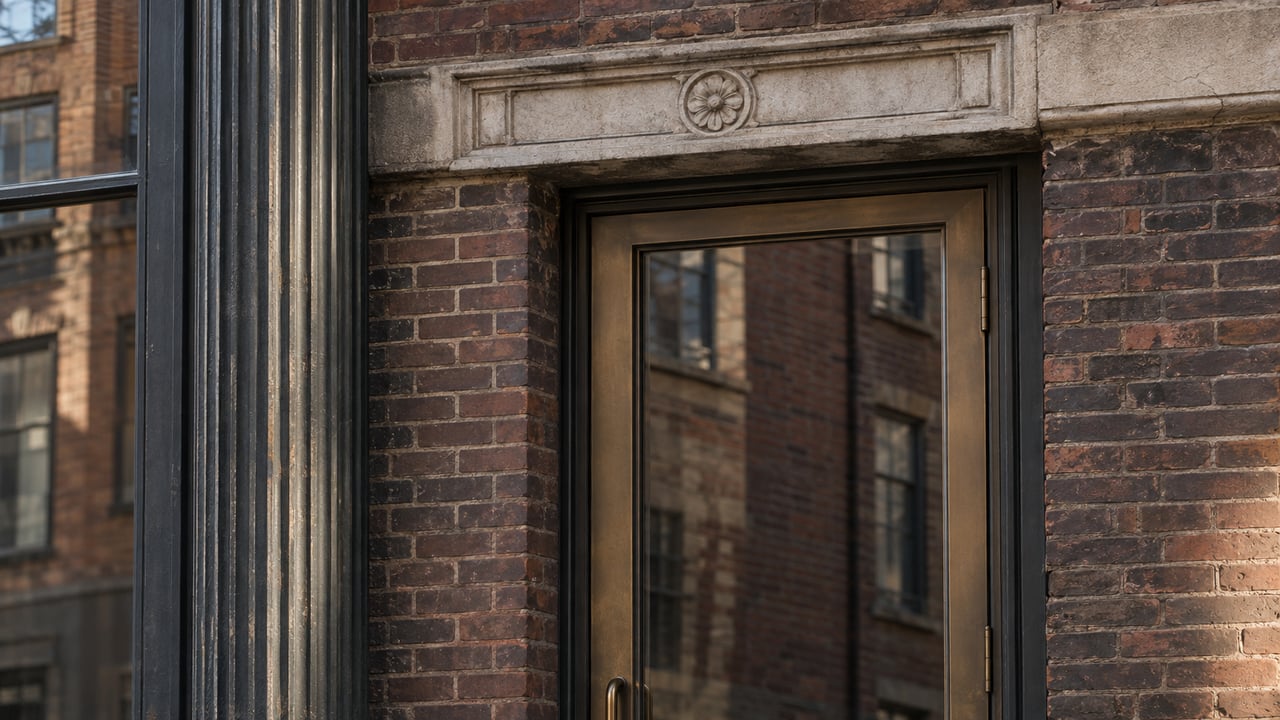
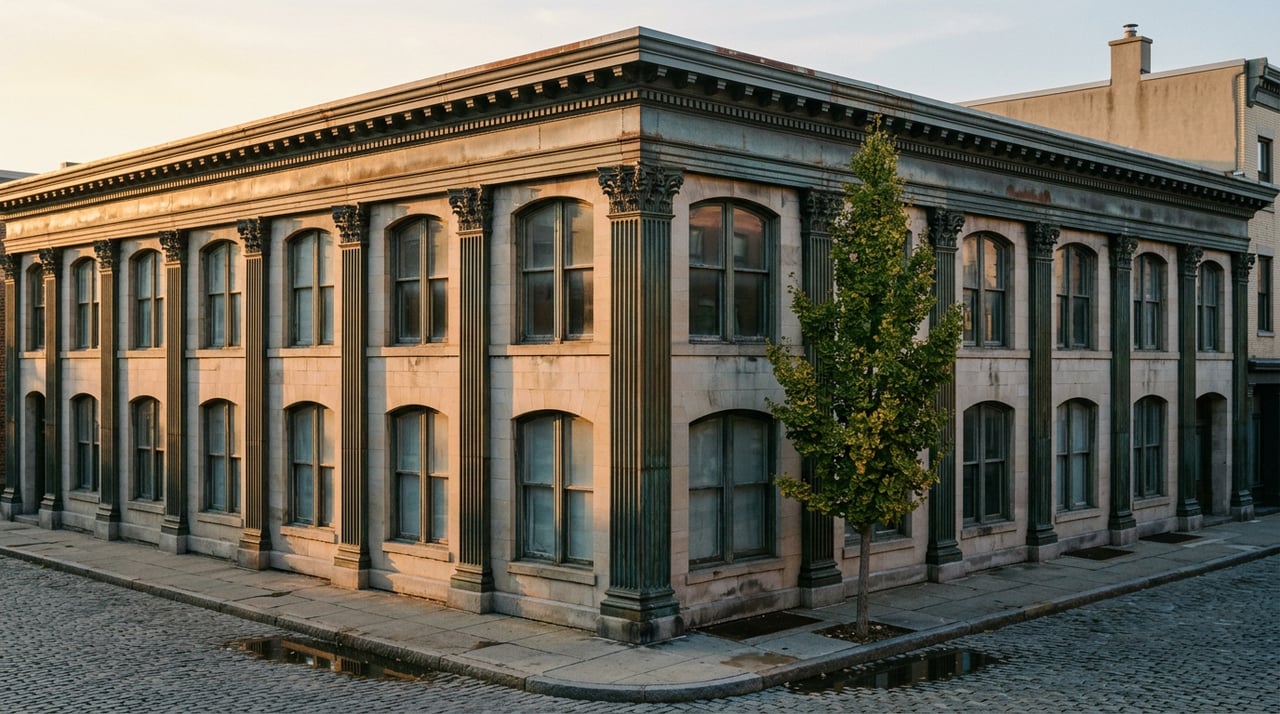
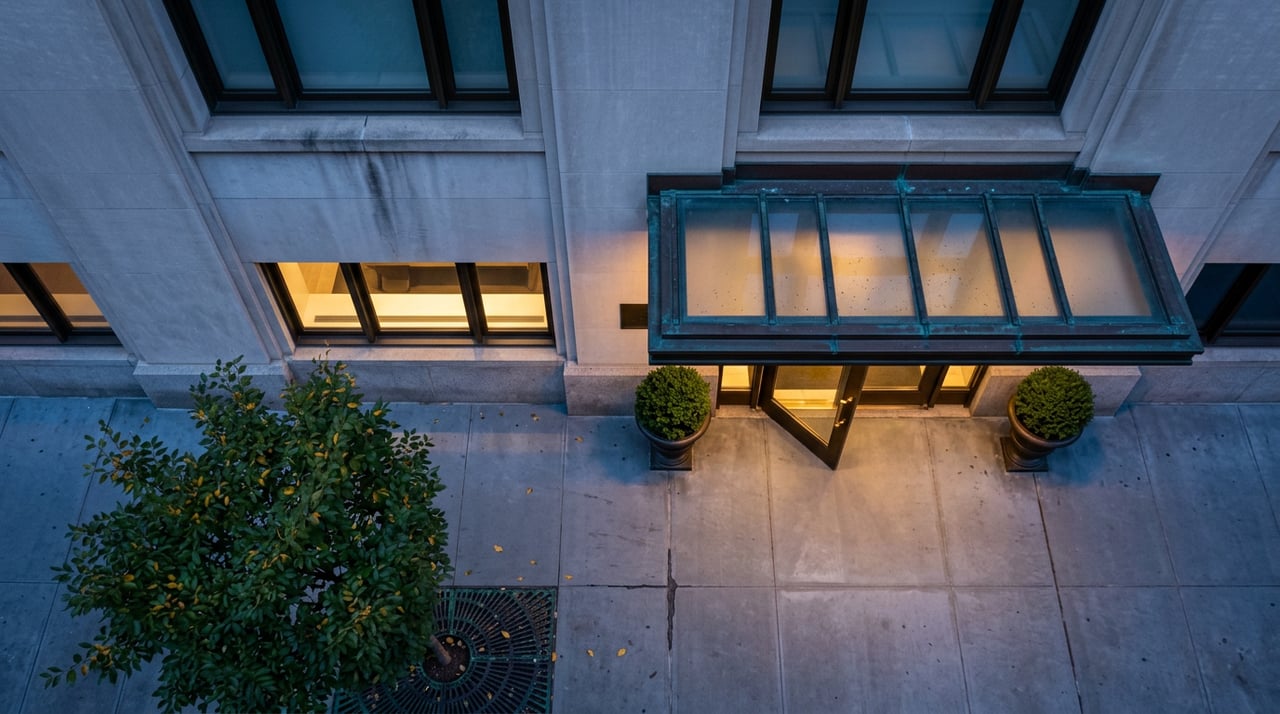
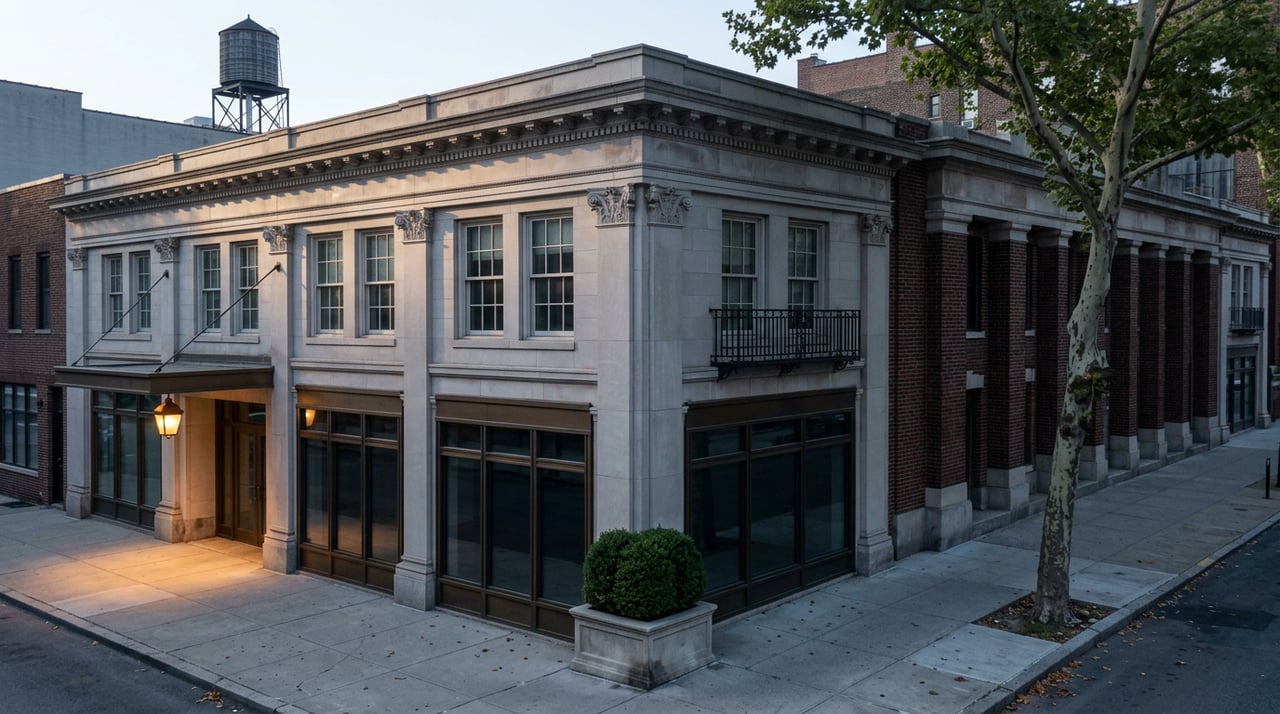
The housing stock around Museum Mile reflects the Upper East Side’s layered character. You will find prewar co-ops, townhouses, and luxury condominiums, often with doorman service and, in some cases, park or city views.
StreetEasy highlights stately co-ops and sleek Central Park-facing condos, while Brown Harris Stevens describes the area as a mix of prewar buildings, brownstones, and modern condominiums. That range gives buyers a meaningful choice between classic architecture and newer residential formats.
For pied-à-terre buyers, the ownership structure is especially important. StreetEasy’s 2026 pied-à-terre guide notes that co-op buildings frequently restrict or prohibit pied-à-terre use, while condos are typically more flexible and usually do not require special approval. Even in an area where co-ops are common, that is one reason many second-home buyers focus on condos.
Pricing on the Upper East Side spans a wide range, especially near Fifth Avenue and prime park-adjacent blocks. StreetEasy reports a median sale price of $1.2 million for the Upper East Side, while Brown Harris Stevens’ broader neighborhood snapshot shows a price range from $175,000 to $90 million, an average sold price of $2.66 million, and an average price per square foot of $2,899.
In Brown Harris Stevens’ Q2 2025 East Side report, median resale prices were $755,000 for one-bedroom homes, $1.5175 million for two-bedrooms, and $3.505 million for three-bedroom-plus homes. Taken together, these figures suggest that many realistic Museum Mile pied-à-terre budgets begin in the low seven figures for a well-located one-bedroom or compact two-bedroom, while larger or park-facing homes can rise substantially.
That range is part of the neighborhood’s appeal. You can pursue a classic, efficient second home or a larger statement residence, depending on how you expect to live in the space.
Many Manhattan neighborhoods offer culture, dining, or convenience. The Upper East Side distinguishes itself by combining those qualities with a calmer residential cadence and direct access to Central Park.
That matters if you are buying a pied-à-terre for actual use, not just occasional stays. Museum Mile feels stable and lived-in. It offers cultural density without feeling like an entertainment district, and it supports routines that are easy to repeat.
The simplest way to think about it is this: Museum Mile is not only about access to museums. It is about having a reliable Manhattan base where culture, green space, shopping, dining, and everyday services all sit within a highly walkable stretch of the city.
For buyers who value elegance, convenience, and a sense of place, that combination is hard to duplicate. If you are considering a pied-à-terre on the Upper East Side, a thoughtful review of building type, ownership structure, and exact block can make all the difference.
If you are exploring a Museum Mile pied-à-terre or comparing Upper East Side options, Marina Bernshtein offers discreet, high-touch guidance tailored to Manhattan’s luxury market.
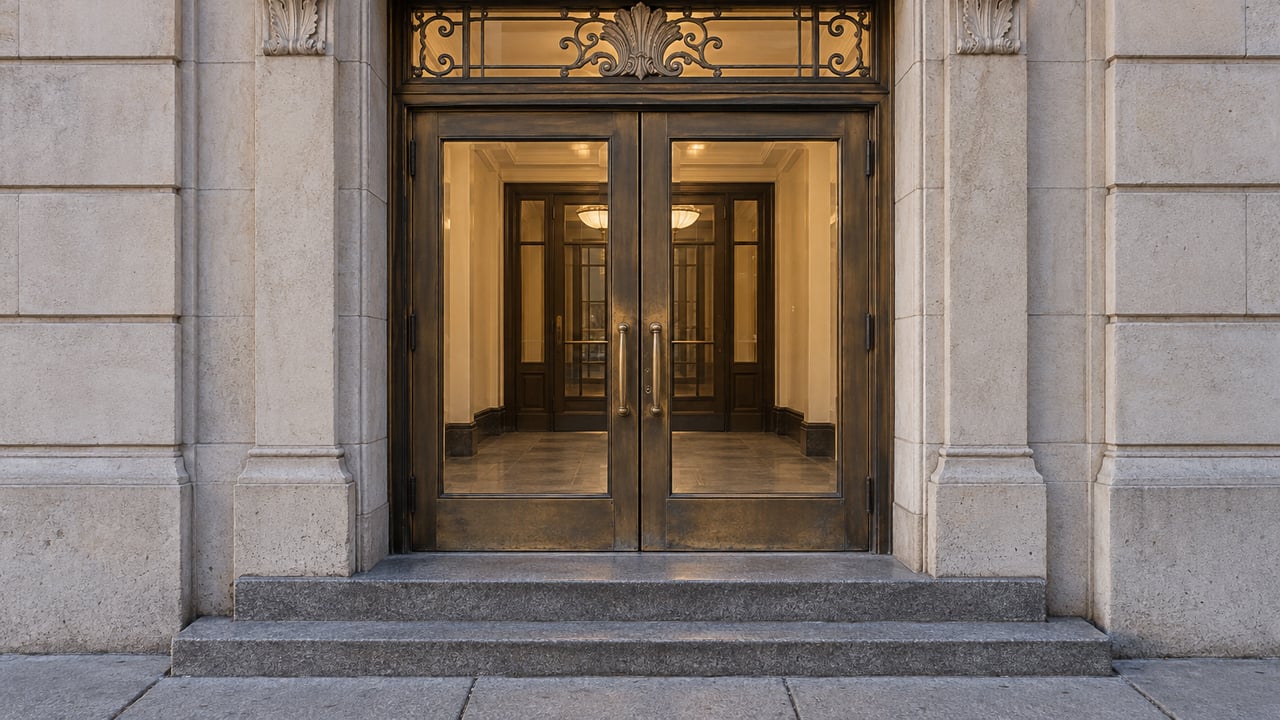
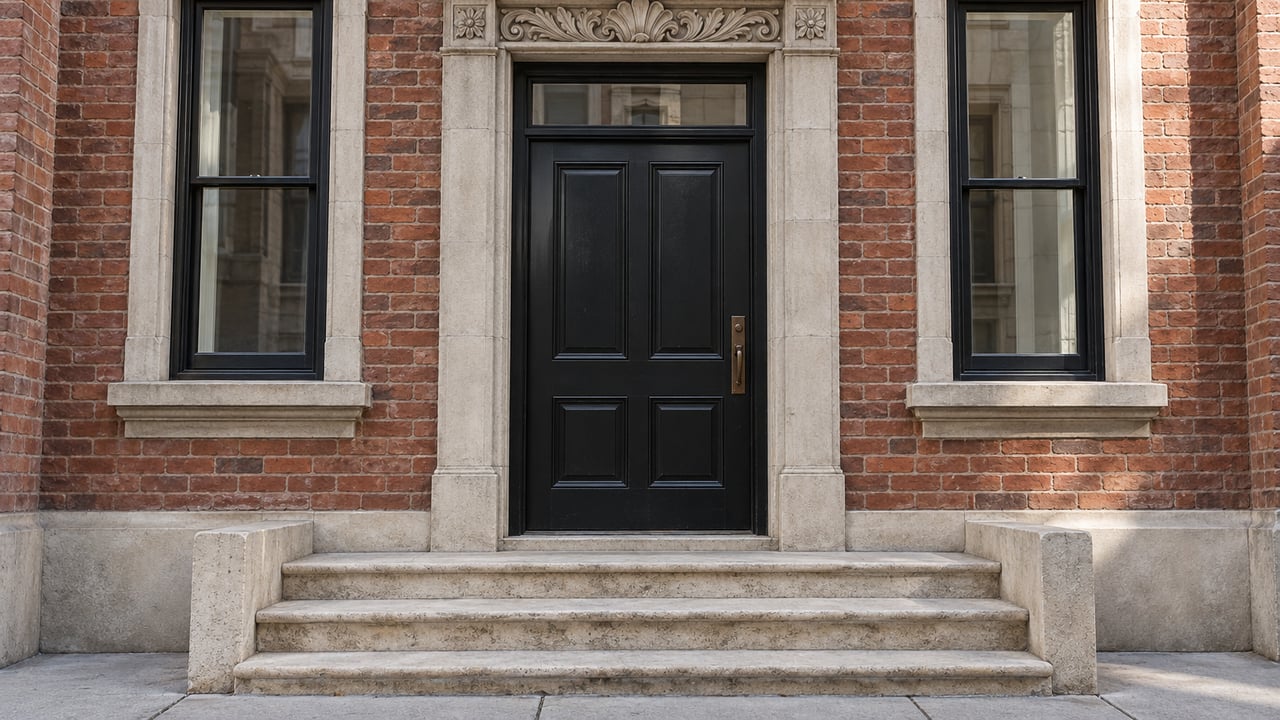
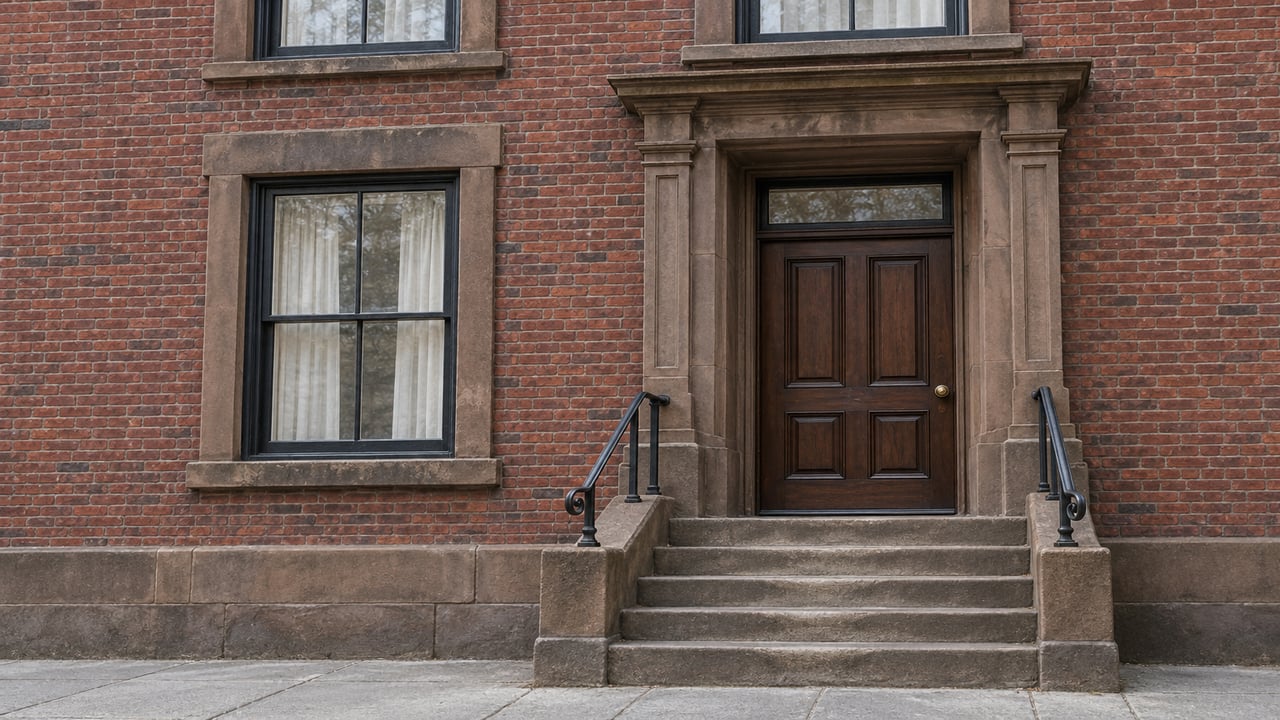
Marina developed the tenacity to face challenges and adversity in fast-paced environments early on and has continued to excel. Marina is happiest when she finds the perfect home for her buyers or renters and achieves the optimal value for her sellers. Contact her today!