Upper West Side Co-op vs Condo: How to Choose
Wondering whether a prewar co-op or condo on the Upper West Side is the smarter move? You are not alone. Many buyers are drawn to the neighborhood’s classic buildings, but the right choice often comes down to how you want to live, what you want to spend each month, and how much flexibility you want after closing. Let’s dive in.
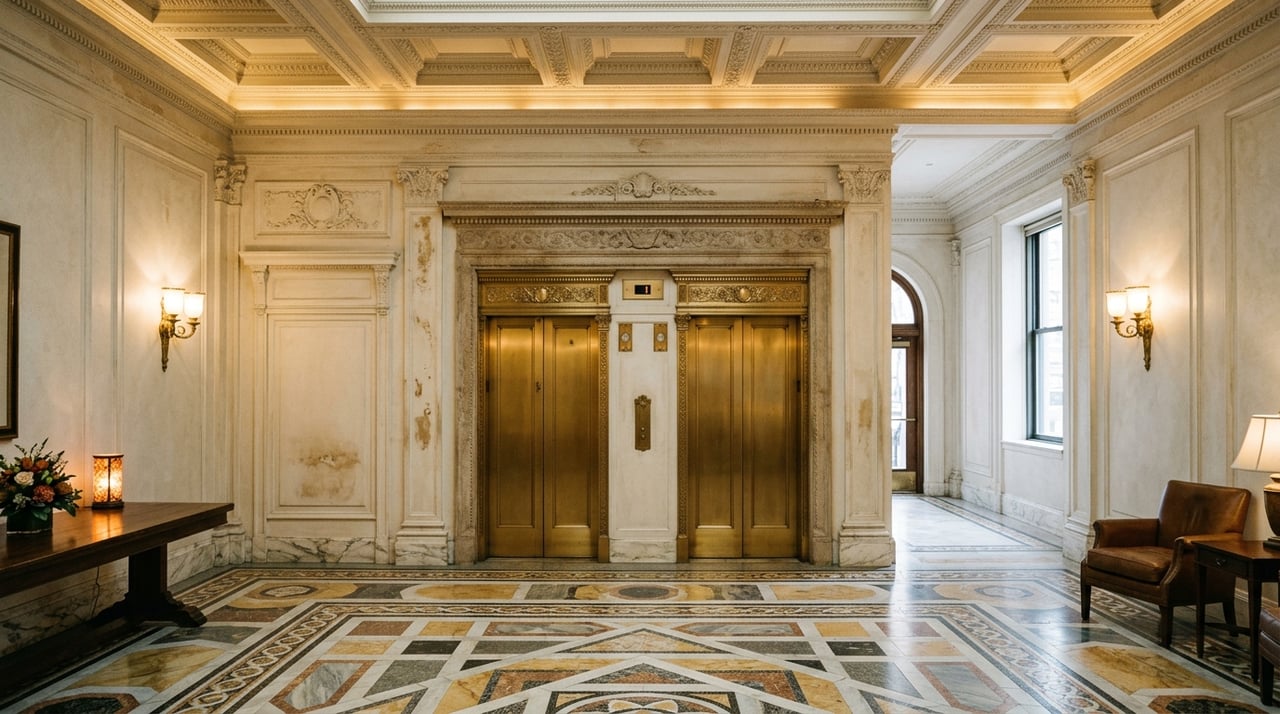
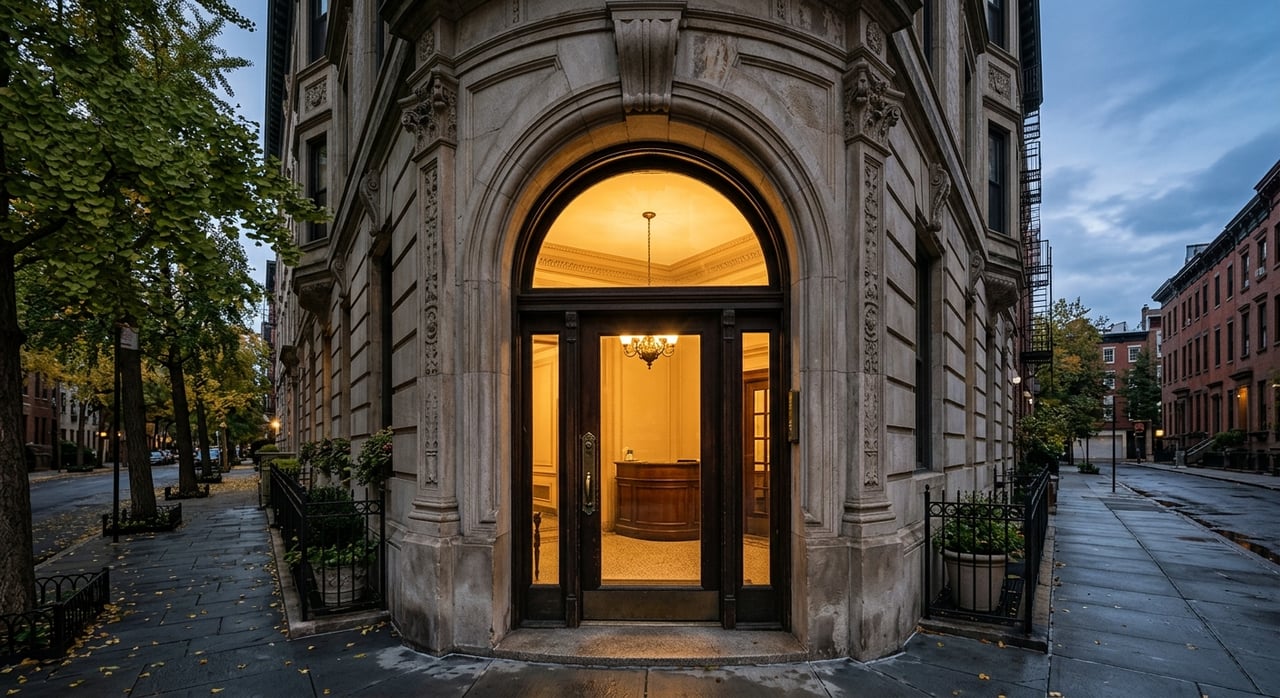
The Upper West Side feels different from many other Manhattan neighborhoods because it has one of the city’s strongest concentrations of turn-of-the-century apartment houses. Landmark Preservation Commission reports describe many of these buildings as Beaux-Arts, Italian Renaissance, and neo-Gothic, with large rooms, large windows, and a clear separation between public, private, and service spaces.
That design language still shapes buyer demand today. Even when a newer building offers modern finishes, many Upper West Side buyers continue to favor prewar homes for their proportions, layout, and architectural character.
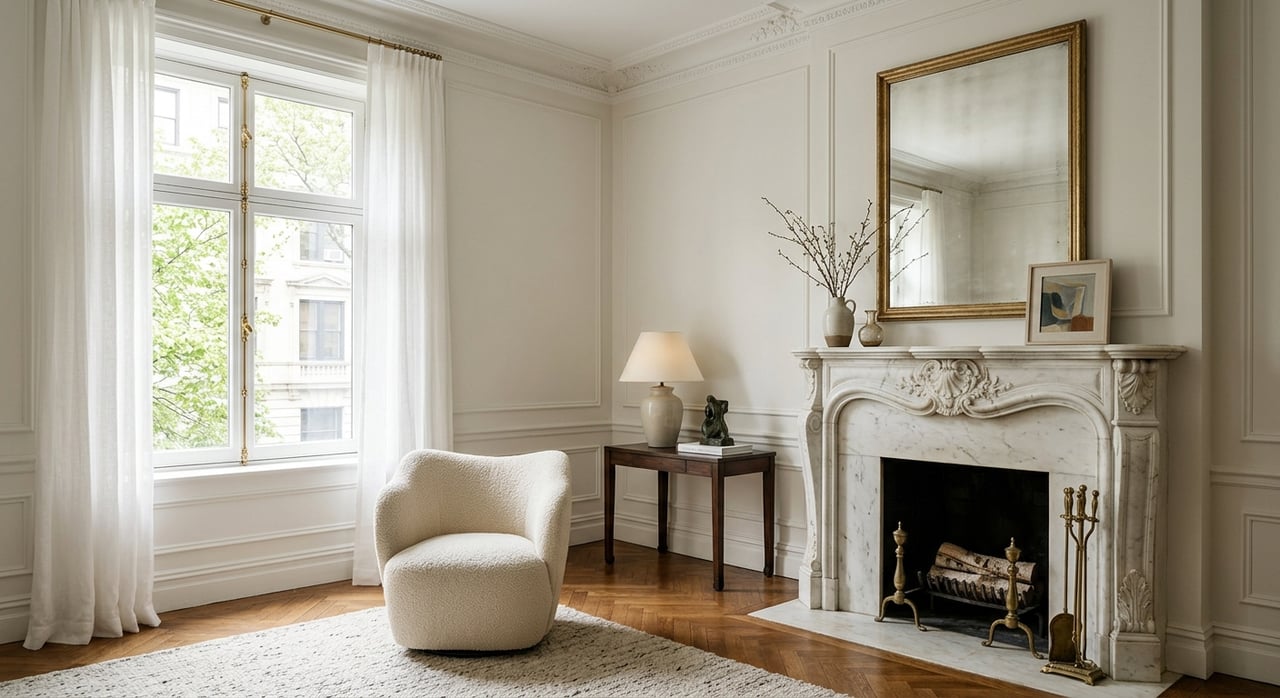
In practical terms, prewar apartments often feel grander than their square footage suggests. A proper foyer, a formal living room, and distinct bedroom wings can create a sense of scale that reads very differently from a more contemporary layout.
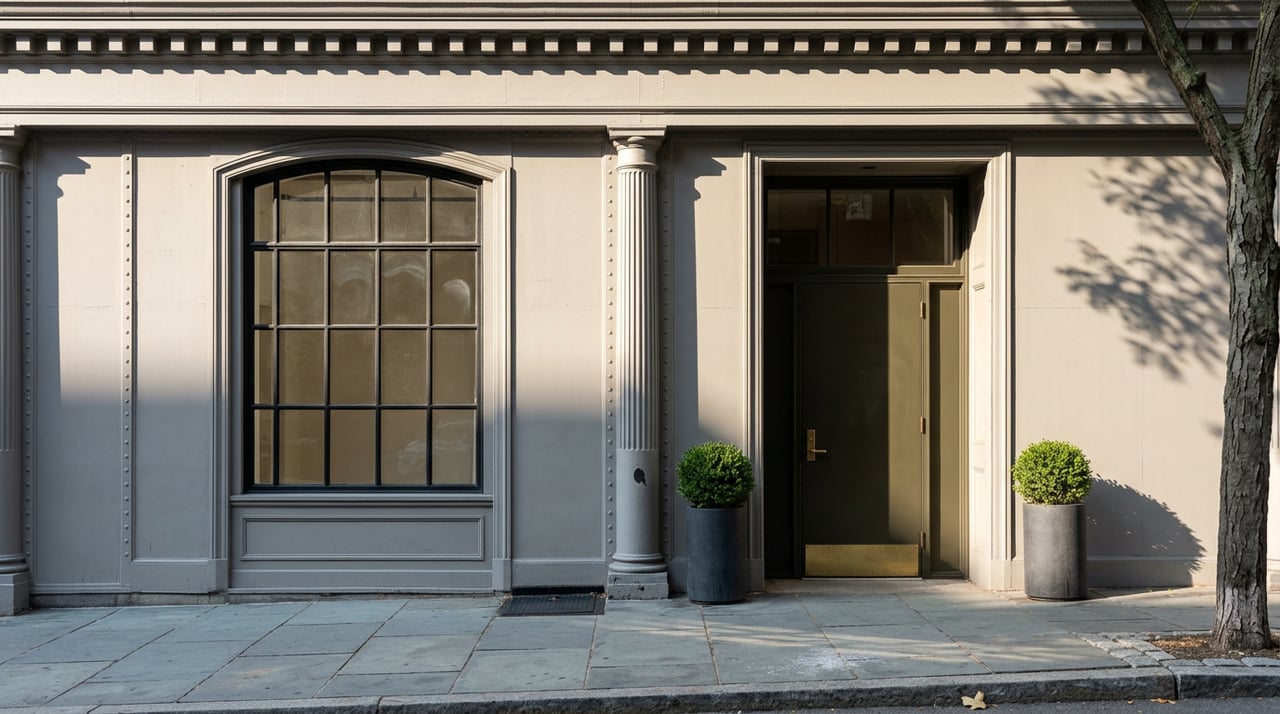
On the Upper West Side, location is not just about the block. Much of the area falls within historic districts, including the Upper West Side/Central Park West Historic District.
That matters because exterior work can trigger review beyond the building’s own rules. If a building is in a designated historic district, changes involving façades, windows, or other exterior elements may require Landmarks Preservation Commission review in addition to building approval.
For you as a buyer, that means the apartment’s charm may come with added process. A classic façade or original window line can be a major asset, but it can also affect future renovation plans.
The biggest divider is not always architectural style. Often, it is the ownership structure.
In a co-op, you are buying shares in the corporation that owns the building, along with a proprietary lease for your apartment. In a condo, you own the apartment as real property directly.
That difference influences everything from monthly costs to board involvement. It is one of the first things to understand before you compare two otherwise similar Upper West Side homes.
A co-op’s monthly maintenance usually covers building operating costs, property taxes, and sometimes an underlying mortgage on the building. Because those costs are bundled, maintenance can look higher at first glance.
A condo works differently. You pay common charges for shared building expenses, and you pay your real estate taxes separately.
This is why the cleanest comparison is total carrying cost, not just the maintenance number or the common charge alone. A condo may appear less expensive month to month until you add taxes back into the picture.
New York City offers a cooperative and condominium property tax abatement, but the application is handled by the building’s management, board, or other authorized representative. As a result, two similar apartments in the same neighborhood can have meaningfully different tax profiles depending on the building’s eligibility and whether the filing is actually made.
That is one reason experienced due diligence matters on the Upper West Side. Looking at the apartment alone is not enough. You also need to understand the building’s financial structure.
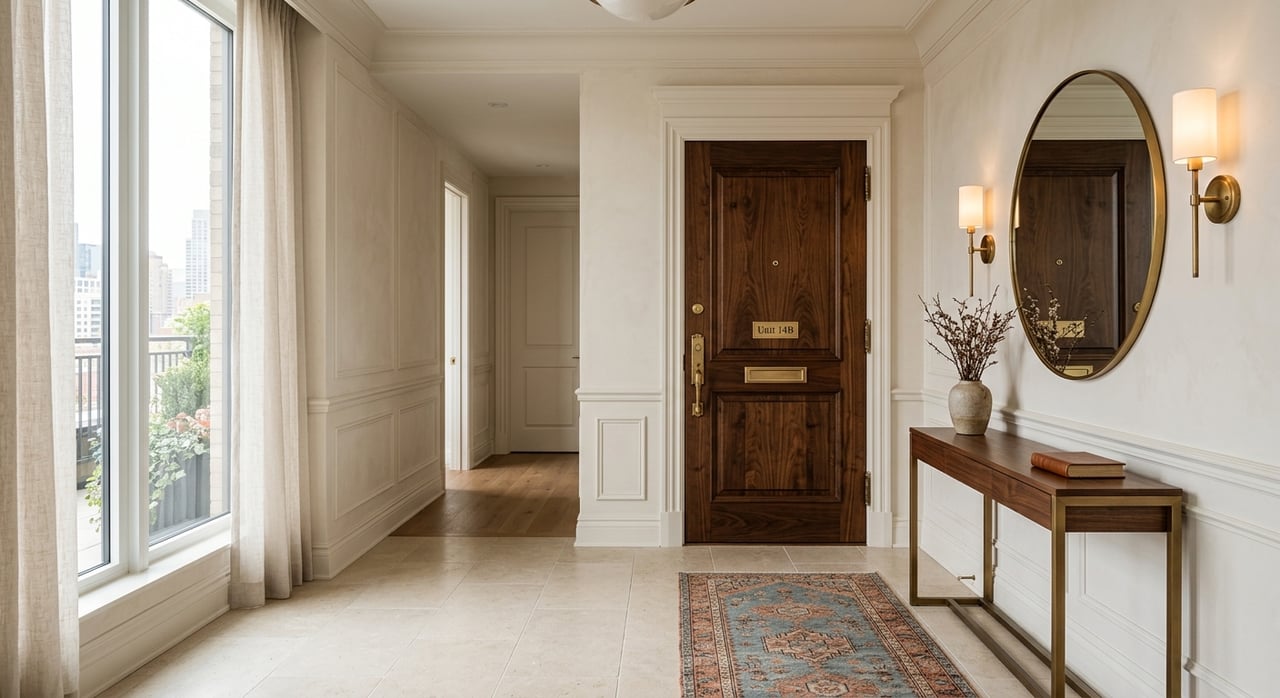
One reason prewar apartments remain so appealing is layout. Many were designed with a formal sequence of spaces, such as an entry gallery, living room, dining room, bedrooms, and separate service areas.
That layout can make a home feel elegant and intentional. In some notable Central Park West prewar buildings, there were only four apartments per floor, which reflects how generous and low-density some of these homes were designed to be.
For buyers who entertain, work from home, or simply want rooms with clearer separation, this can be a major advantage. The apartment may feel quieter and more composed than a more open, standardized plan.
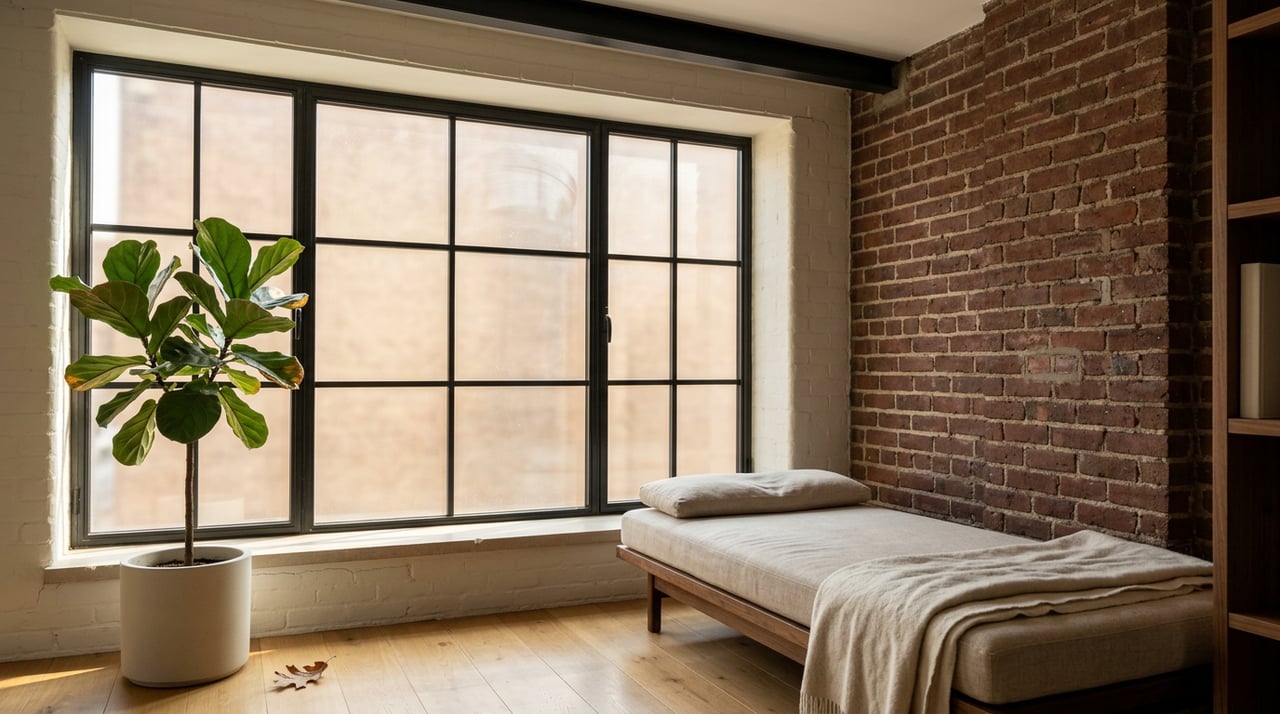
Not every buyer wants formal rooms or older detailing. Postwar buildings, generally those built after World War II and before 1990, are often associated with a more uniform look, lower ceilings, larger windows, more storage, more outdoor space, and layouts that are easier to reconfigure.
They can also come with more modern systems and fewer decorative elements to work around during renovations. If your priority is flexibility and function over ornament, a postwar condo may be the better fit even if you began your search focused on prewar inventory.
On the Upper West Side, this is often the real tradeoff. You are not simply choosing between old and new. You are choosing between a more formal home and a more adaptable one.
Co-ops and condos also differ in how they are governed. In New York, co-op boards are run by shareholder-elected directors and are expected to follow the building’s bylaws, proprietary lease, certificate of incorporation, and house rules.
The New York Attorney General’s co-op guide notes that co-op boards can have broad freedom in how they run the building. In practice, that often makes co-ops the more board-centric and behavior-sensitive ownership form.
Condo boards also have rules and obligations, but the legal framework is different. Unit owners have direct real-property ownership, and condo governance often feels less intrusive than a co-op, though the details still depend on the building.
For many Upper West Side buyers, this is a lifestyle decision as much as a financial one. Some buyers prefer the structure and culture of a co-op. Others prefer the more direct ownership model of a condo.
Renovation flexibility in a prewar apartment depends on three layers at once. You may need to deal with city permit rules, building approval, and landmark or historic-district review.
According to NYC Buildings, most construction requires Department of Buildings approval and permits, though some minor work does not. Examples of work that may not require a permit include painting, plastering, cabinet replacement, plumbing fixture replacement, and floor resurfacing.
That said, permit-free does not always mean approval-free. Your building may still require board review, and if the property is landmarked or in a historic district, exterior-related work may also require Landmarks approval.
For Landmarks applications, the signature requirements differ by ownership structure. In co-ops, an application for work on the building must be signed by the co-op board president or another appropriate officer.
In condominiums, common-area work must be signed by the condo association president or another appropriate officer. LPC also allows master plans for repetitive work such as windows and through-wall air-conditioning installations.
The takeaway is simple: if renovation is a key part of your plan, ask detailed questions early. A beautiful prewar apartment can be either straightforward or highly layered depending on the building and the block.
The right answer depends on what matters most to you.
The tradeoff is that resale, renovation, and day-to-day ownership can be more board-dependent.
The tradeoff is that the monthly picture may look simpler at first, but you still need to evaluate total carrying cost carefully.
This option can work well if function matters more to you than historic detailing.
Before you commit to any Upper West Side apartment, ask for clarity on the building as well as the unit.
These questions can help you avoid comparing apartments on incomplete numbers. They also give you a better read on how the building is run, which is especially important in older Upper West Side stock.
A prewar co-op or condo on the Upper West Side is rarely just a style choice. It is a decision about ownership structure, monthly carrying cost, renovation process, and the kind of building culture you want around you.
If you love classic architecture, the Upper West Side offers some of Manhattan’s most compelling options. The key is matching the apartment’s beauty with a building structure that fits your goals, budget, and appetite for process.
If you are weighing a specific Upper West Side purchase and want a discreet, highly tailored perspective, Marina Bernshtein can help you evaluate the details with clarity and confidence.

Marina developed the tenacity to face challenges and adversity in fast-paced environments early on and has continued to excel. Marina is happiest when she finds the perfect home for her buyers or renters and achieves the optimal value for her sellers. Contact her today!