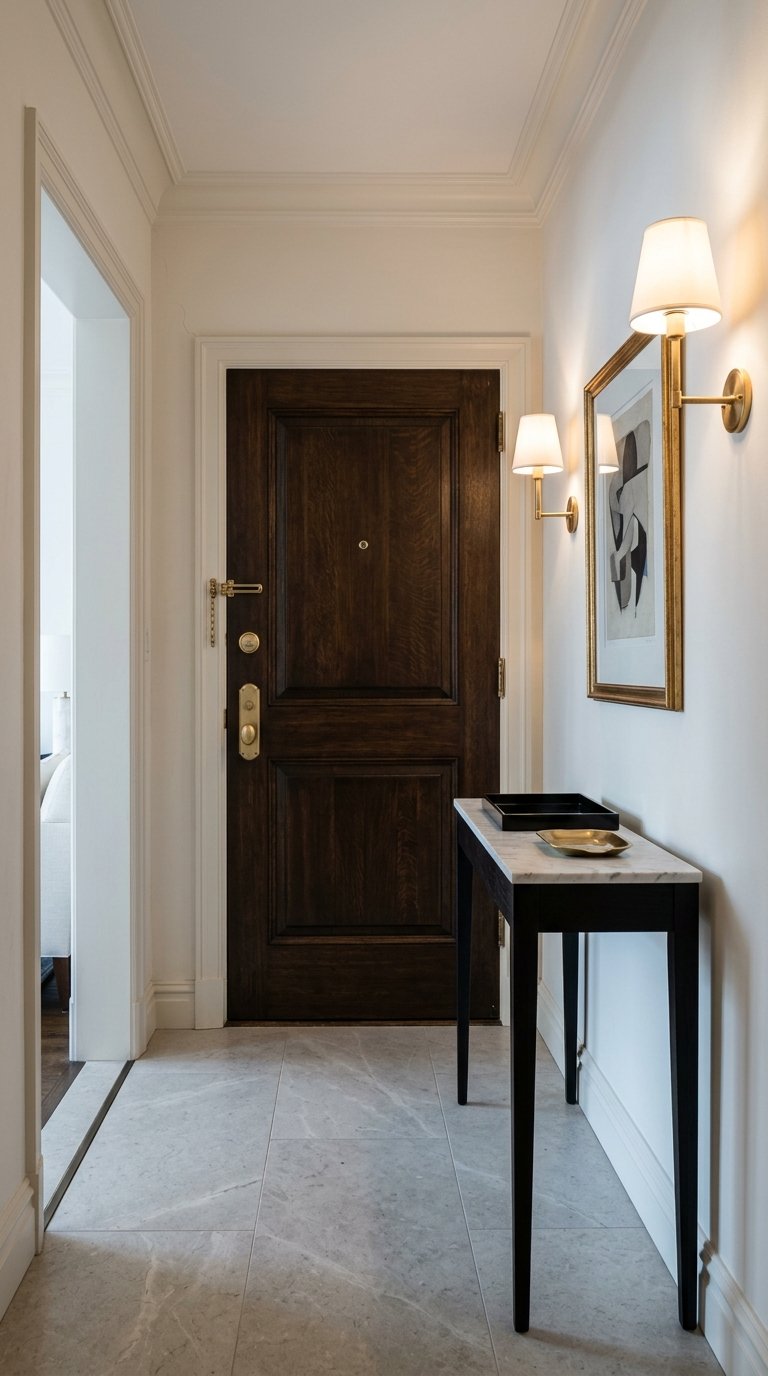
How to Discreetly Sell Your Upper East Side Co-op
If you want to sell your Upper East Side co-op without broadcasting every detail, you are not alone. Many sellers want a more controlled process, especially when privacy, schedule, and personal information matter as much as price. The good news is that a discreet sale is possible, but it works best when you pair confidentiality with realistic strategy, careful timing, and experienced co-op guidance. Let’s dive in.
A private sale is best understood as a controlled sale, not an invisible one. You can limit who sees the listing, how showings are handled, and when broader marketing begins, but you cannot remove the co-op process itself.
That distinction matters on the Upper East Side, where co-op transactions often involve more documentation and more procedural steps than a typical condo sale. As the Council of New York Cooperatives & Condominiums explains in its admissions guide, buyers usually submit confidential financial documents, and boards may also require interviews.
A discreet strategy needs to reflect current market conditions. In February 2026, Redfin reported a median sale price of $1.35M and 86 median days on market for the Upper East Side, while Realtor.com reported a median listing price of $1.65M, about 1.6K active listings, and 91 median days on market.
That tells you this is not a market where most listings vanish overnight. If you choose a quiet launch, you should think of it as a curated rollout with a deliberate timeline, not a shortcut.
Confidential selling does not mean casual pricing. Even with limited exposure, your co-op still needs to enter the market at a level that gives qualified buyers a reason to act.
Neighborhood-wide data also suggests buyers have some negotiating room. Realtor.com found that homes sold about 2.64% below asking on average in February 2026, with a 97% sale-to-list ratio. While that is not co-op-specific, it supports a practical point: privacy works best when pricing is disciplined.
If your goal is to reduce public exposure, there are two common listing paths to discuss with your broker.
According to the National Association of REALTORS® consumer guide on alternative listing options, an office exclusive listing is not shared on the MLS or publicly marketed. This can suit sellers who want outreach kept narrow and highly targeted.
In practice, that may mean your home is introduced only to a select internal network or directly to trusted brokers with relevant buyers. You gain more privacy, but you also accept reduced public reach.
NAR also describes a delayed marketing exempt listing, where the property is entered into the MLS but withheld from IDX display and syndication for a set period. This can create a middle ground between total privacy and full public exposure.
For many Upper East Side co-op sellers, this staged approach can be useful. You begin with controlled exposure, then widen the audience only if needed.
Once public marketing begins, timing rules may apply. NAR notes that many MLSs require a listing to be entered within one business day after public marketing starts.
That means your privacy strategy should be decided before any sign, email blast, social media post, or broad announcement goes live. If discretion is important to you, the sequence of events matters just as much as the message.
This is where many sellers need a clear answer. Your listing can be private, but the board package is not minimal.
CNYC notes that co-op corporations commonly require financial records and other confidential materials, and it recommends maintaining confidentiality throughout the admissions process. At the same time, the board review remains document-heavy by design. A smart privacy plan focuses on limiting distribution, controlling access, and handling sensitive information carefully rather than pretending those materials will not be required.
Co-op sales are uniquely sensitive because board approval is central to the transaction. CNYC states that courts have recognized a co-op board’s historical right to withhold consent for a sale for any reason or no reason.
For you as a seller, that means discretion does not remove uncertainty. What it can do is create a cleaner process, reduce unnecessary exposure, and improve the quality of buyer conversations from the start.
A discreet sale still has to follow fair housing rules. The NYC Fair Housing guidance on tenant selection and screening notes that screening may include items such as credit checks, references, background checks, home visits, and interviews.
It also warns that direct or indirect questions revealing protected-class status, or requiring documents such as a marriage certificate, passport, birth certificate, or photo, can be evidence of discrimination if handled improperly. In other words, privacy strategy and legal compliance are not the same thing. You can limit exposure, but the process must still be handled appropriately.
For many sellers, the biggest day-to-day privacy concern is simple: who is entering the apartment, and how often? A discreet Upper East Side sale usually works best with appointment-only access and a tightly managed schedule.
The NAR Safe Listing Form recommends removing valuables, personal papers, family photos, medications, and weapons. It also advises sellers not to open the door to strangers and to use their REALTOR® to schedule showings.
That guidance supports several practical steps:
For a co-op seller who values discretion, open-house traffic is often less useful than carefully screened one-on-one appointments.
One of the easiest ways to lose momentum is to treat the board package as an afterthought. In a co-op sale, it should be part of your pre-listing preparation.
CNYC recommends that boards aim for a response roughly six weeks after receiving a complete package, and notes that out-of-state or out-of-country credit checks can take longer. If you are planning 12 to 18 months ahead, this is exactly the kind of detail worth addressing early.
In a measured market, discretion usually takes patience. Between the neighborhood’s roughly 86-to-91-day marketing pace and a board response target of about six weeks after a complete package is submitted, a confidential sale should be approached as a managed timeline rather than a rushed event.
That does not mean it will take longer than a public sale in every case. It means your plan should leave room for buyer qualification, careful showings, document preparation, attorney coordination, and board review.
When privacy is a priority, broker selection becomes even more important. You are not just hiring someone to market the apartment. You are hiring someone to control access, sequence decisions, and keep the transaction moving without unnecessary visibility.
For an Upper East Side co-op sale, key qualities include:
That kind of support can make a meaningful difference, especially if your sale involves complex timing, trust or entity ownership, or cross-border financial documentation.
In today’s market, the most practical discreet strategy is often staged exposure. You begin with a narrow, targeted launch to trusted brokers or qualified buyers. If the response is not strong enough, you can expand distribution in a measured way.
This approach respects both privacy and market reality. It helps you preserve control without assuming that the right buyer will appear instantly in a neighborhood with substantial active inventory.
On the Upper East Side, discreetly selling a co-op is less about secrecy and more about control. Control over who knows, who enters, how information is shared, and when the process broadens.
When handled well, a private sale can protect your time, reduce friction, and still position your apartment competitively. If you are considering a discreet co-op sale and want tailored guidance on pricing, timing, and exposure, Marina Bernshtein offers confidential, high-touch representation designed for complex Manhattan transactions.




Marina developed the tenacity to face challenges and adversity in fast-paced environments early on and has continued to excel. Marina is happiest when she finds the perfect home for her buyers or renters and achieves the optimal value for her sellers. Contact her today!