Park Avenue vs Fifth Avenue on the UES: A Buyer’s Guide
Trying to choose between Park Avenue and Fifth Avenue on the Upper East Side can feel like comparing two icons. You want clarity on views, building culture, ownership rules, and what daily life actually feels like on each corridor. In this guide, you’ll get a clear, factual side-by-side to help you match your priorities with the right address. Let’s dive in.
Fifth Avenue forms the eastern edge of Central Park from roughly 59th to 96th Streets. Apartments that face west on Fifth overlook the park and align with the cultural stretch often called Museum Mile.
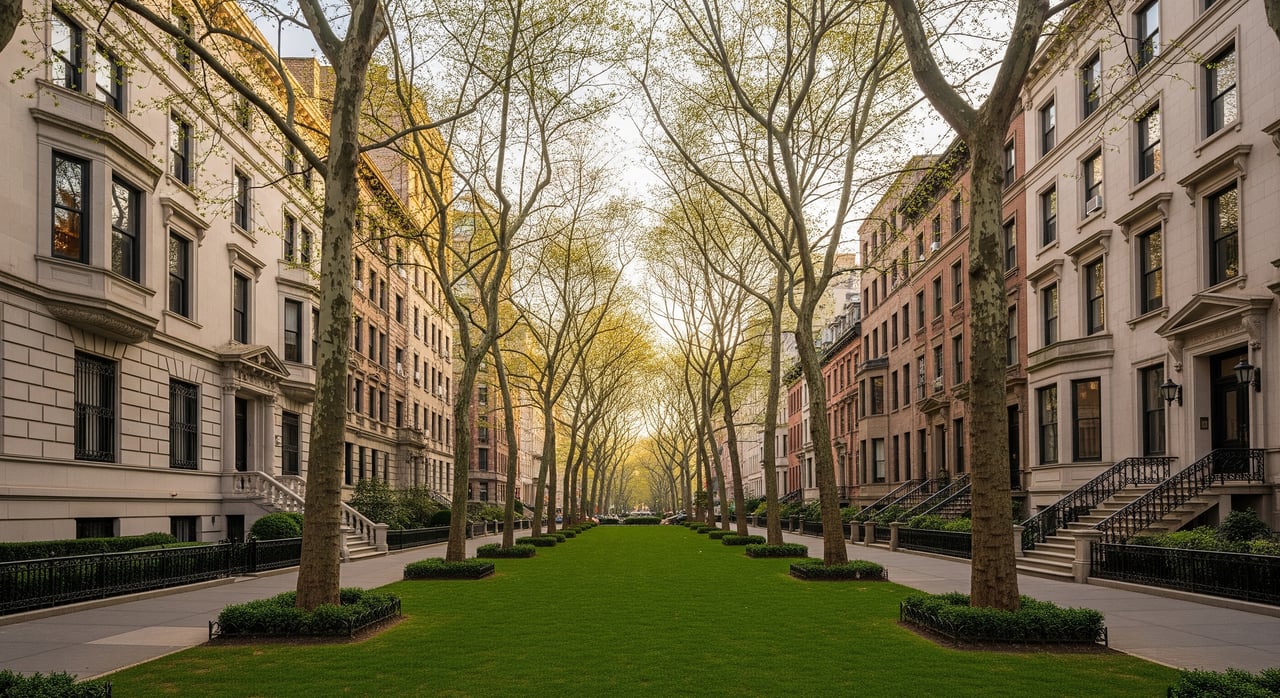
Park Avenue runs one block east of Madison, also from about 59th to 96th Streets. It is known for its tree-lined, landscaped median and a consistent, stately streetscape.
Large portions of both corridors sit within historic districts or include landmarked buildings. If you plan to renovate, factor in potential Landmarks review and block-specific zoning.
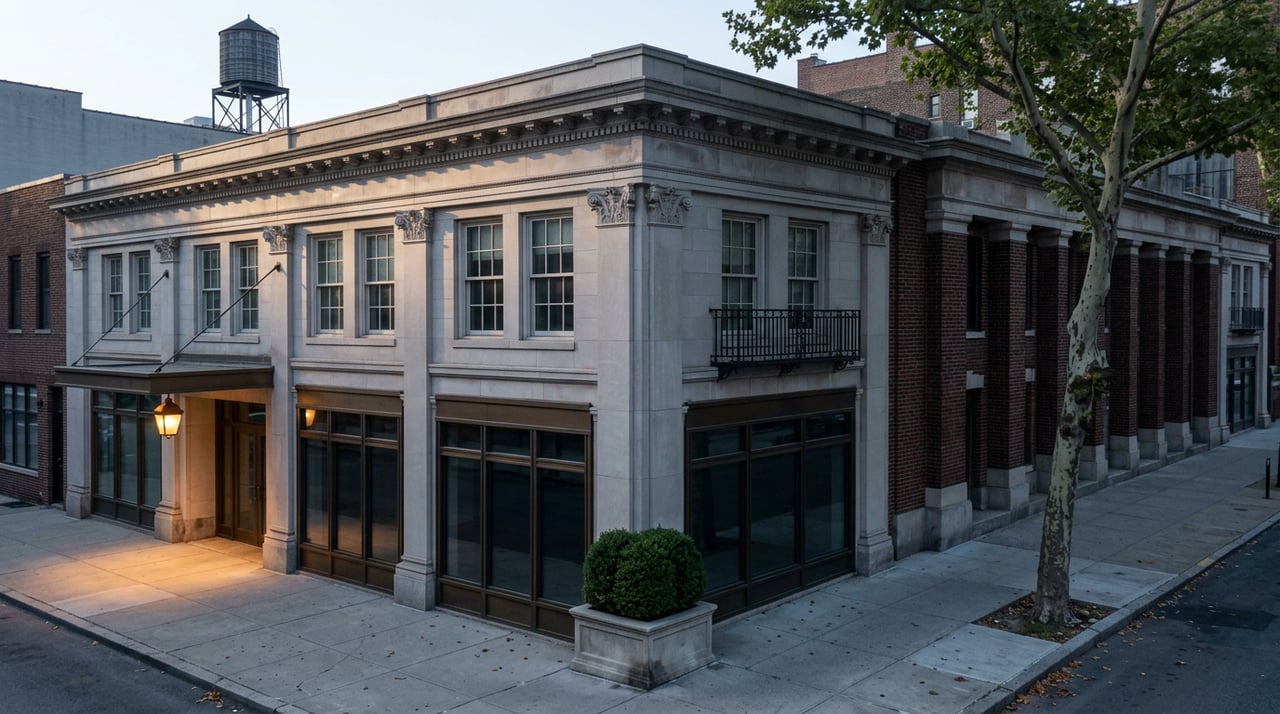
Park Avenue is defined by grand prewar co-ops with classical facades, formal entry galleries, high ceilings, and thicker walls that help with sound insulation. Many buildings maintain full-time doormen and a traditional service culture. Boutique luxury condos exist, but co-ops are the dominant product.
Fifth Avenue mixes prewar co-ops with newer luxury condos and condo conversions, especially at the higher end. The most coveted homes are park-facing, offering wide windows and direct Central Park views. Product spans classic layouts to modern glass towers where present.
Prewar co-ops typically feature larger rooms and formal dining spaces, but smaller kitchens and fewer walk-in closets by modern standards. Newer condos lean toward open kitchens, en-suite baths, keyed elevators, and more efficient mechanical systems. If you plan major changes, confirm building rules and any preservation constraints before you set your renovation scope.
Expect attentive building staff, doormen, and well-kept lobbies. Maintenance often covers building real estate taxes and some utilities. Amenity suites can be more limited than in condo towers, though every building is different.
Newer condos on Fifth often offer amenity-rich packages like fitness centers, roof spaces, private storage, and garage or valet options. Many Fifth Avenue co-ops also deliver full-service staff and concierge-level attention. Compare building by building to see how services stack up against monthly costs.
In a co-op, you purchase shares in a corporation and sign a proprietary lease. Boards review finances, references, and plans, and they can limit subletting, renovations, and investor purchases. Down payment standards can be higher than condos, and approval timelines are longer. Maintenance typically includes the building’s taxes and sometimes utilities.
With a condo, you receive a deed to real property. Screening is typically lighter, subletting is more flexible, and closings often move faster. You pay property taxes directly, with common charges covering staff and amenities. Condos tend to attract a wider buyer pool, including investors and pied-à-terre purchasers.
The signature advantage is direct Central Park exposure. Park-facing homes often command a premium, thanks to open sky, greenery, and skyline vistas. Expect more museum and cultural activity nearby, especially around Museum Mile, though overall traffic is less intense than Midtown’s core.
You get a quieter, more residential ambiance with the landscaped median and uniform setbacks. Views are more architectural, often toward symmetrical facades. Upper floors can have excellent light, and the avenue’s width and median help buffer street noise.
Fifth Avenue puts you right on Central Park and close to major museums and cultural institutions. Direct retail options on the park-facing stretch are limited; everyday shops and cafés tend to be on the side streets and avenues to the east.
Park Avenue feels more resident-focused, with easy access to neighborhood retailers and services nearby. Walkability is strong across the Upper East Side.
For school needs, verify public school zoning with the NYC Department of Education and assess proximity to private schools based on your preferences and commute patterns.
Park-facing homes typically command a measurable premium in most market cycles. Co-op inventory on both avenues can be thinner, which supports pricing in stable markets, but resale can take longer due to board processes and a narrower buyer pool. Condos usually appeal to a broader audience and can trade faster, though new-development cycles can add price volatility. Micro-location matters block to block, from proximity to museums to subway access and landmarked streets.
If Central Park exposure and museum proximity top your list, Fifth Avenue deserves your focus. If you want a quieter, classic residential feel with deep-rooted co-op culture, Park Avenue may be ideal. In practice, ownership type, building rules, and block-level factors often matter more than the avenue name. A precise match comes from aligning your lifestyle and financial goals with the right building and board culture.
For discreet, end-to-end guidance through co-op packages, condo approvals, and high-stakes negotiation, connect with Marina Bernshtein to schedule a confidential consultation.




Marina developed the tenacity to face challenges and adversity in fast-paced environments early on and has continued to excel. Marina is happiest when she finds the perfect home for her buyers or renters and achieves the optimal value for her sellers. Contact her today!