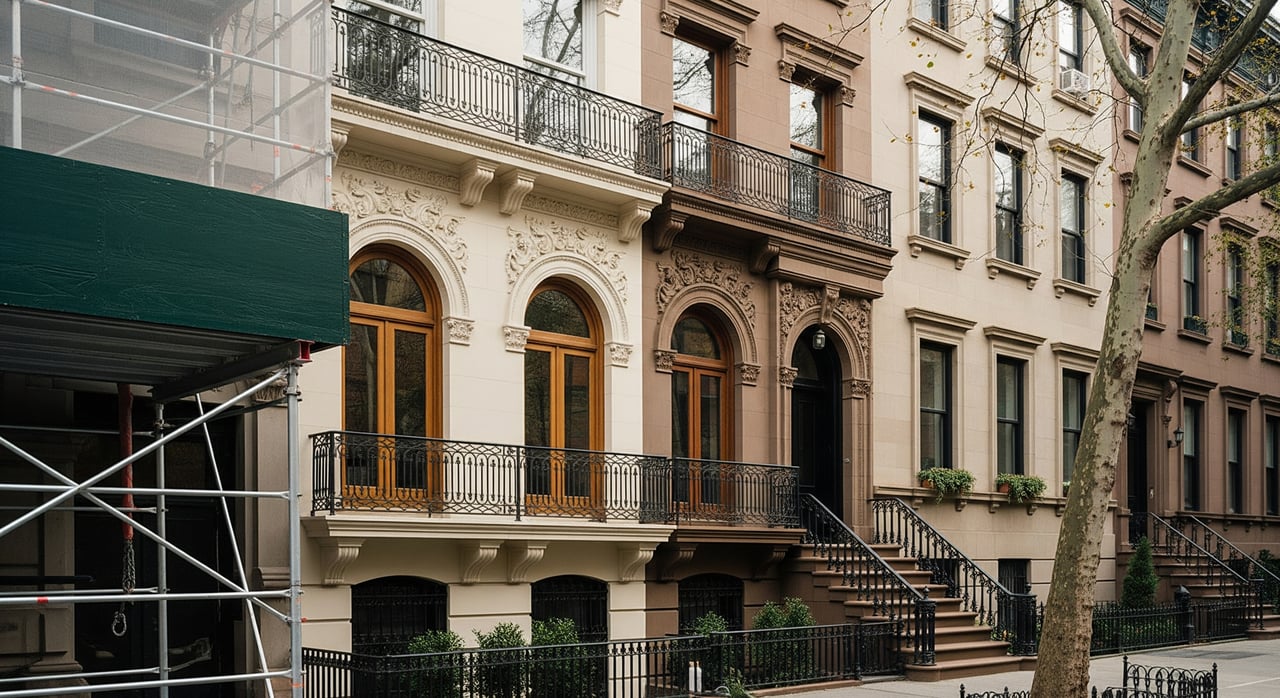
Thinking about freshening your Upper West Side building’s exterior, but worried about surprises, delays, or sidewalk sheds that never seem to come down? You are not alone. Between safety rules, historic district reviews, and tenant logistics, a facade project can feel complex. This guide gives you a clear path to plan with confidence, set a realistic timeline, and protect your property value. Let’s dive in.
Know the rules before you start
If your building is taller than six stories, the Façade Inspection & Safety Program (FISP, often called Local Law 11) applies. A Qualified Exterior Wall Inspector (QEWI) must examine your facade and file reports on a five-year cycle. Learn the basics of what triggers inspections and filings on the City’s FISP page and check your compliance window there. Review FISP requirements.
Many UWS blocks are in historic districts, so repairs that affect protected features require a Landmarks Preservation Commission permit. Most routine repairs are approved at staff level, while more visible changes may go to a public hearing. See LPC permit types.
You will likely need a permit for a sidewalk shed or scaffold, plus coordination for sidewalk occupancy. The City is pressing to shorten shed durations and expand approved alternatives, so expect closer oversight. Understand scaffold and shed permits.
If your building predates modern codes, test early for lead-based paint and asbestos if work will disturb painted or suspect materials. EPA RRP rules apply to pre-1978 paint, and DOB/DEP paperwork is often required for asbestos. Read about lead-safe rules.
Map a realistic timeline
A clear plan reduces risk. Build in buffers for design review, permits, and possible discoveries.
Phase 0: Pre-project checks (1 to 4 weeks)
- Confirm FISP applicability and your filing cycle. If you are due, the QEWI report will define priorities and deadlines. Check FISP basics.
- Verify landmark status. If you are in a district or your building is an individual landmark, add time for LPC review. Confirm LPC requirements.
Phase 1: Survey and scope (2 to 6 weeks)
- Hire a QEWI or an RA/PE to inspect and document conditions. FISP reports classify items as SAFE, SWARMP, or UNSAFE and guide scope.
- For non-FISP buildings, a professional facade survey still helps you budget accurately.
Phase 2: Design and approvals (4 to 12+ weeks)
- Your RA/PE prepares drawings and specifications. If LPC is required, file through Portico and allow for staff comments or hearing schedules. File with LPC Portico.
- Prepare DOB filings and any sidewalk shed plans. DOT permits may be needed for sidewalk occupancy. Review shed permit guidance and DOT Street Works rules.
- Commission asbestos and lead testing if materials could be disturbed, then include abatement or lead-safe work in your specs.
Phase 3: Bidding and mobilization (2 to 6+ weeks)
- Solicit bids from facade restoration specialists with NYC DOB and LPC experience. Ask for references from similar UWS projects and current insurance certificates.
- Plan building communications, elevator and storage logistics, and protections for residents and neighbors.
Phase 4: Construction (varies by scope)
- Install sidewalk protection or approved alternatives per permit. The City’s focus on reducing long-term sheds means tighter milestones and more active oversight. See shed rules and owner responsibilities.
- Execute repairs, which often include repointing, masonry or stone replacement, flashing, and cornice or lintel work.
Phase 5: Inspections and closeout (2 to 6 weeks)
Build the right team
- QEWI, RA, or PE. A DOB-approved QEWI is required for FISP examinations. For design and permits, hire an RA/PE with facade restoration experience and NYC approvals expertise. Understand FISP filings.
- Landmarks and permitting. If landmarked, your architect manages LPC submissions and conditions. DOB handles work permits and sheds. DOT oversees sidewalk occupancy.
- Co-op or condo approvals. Many buildings require board or managing agent approval and house rule compliance. Start these steps early. See co-op and condo resources.
- Environmental specialists. Include licensed asbestos and EPA RRP-certified providers when tests or disturbance thresholds apply.
- Contractor due diligence. Require an itemized bid that separates design, permits, scaffolding, materials, and labor. Confirm who maintains the shed if work pauses.
Budget and avoid common surprises
Hidden conditions are the top driver of overages. A careful survey helps, but discoveries still happen.
- Structural discoveries. Recent FISP cycles emphasize cavity wall probes. Corroded wall ties or hidden moisture damage can turn simple repointing into partial rebuilds. Learn why probes matter.
- Shed time and enforcement. The City is pushing to shorten shed durations and expand alternatives. Plan to execute in defined phases rather than leaving a shed up for extended periods. Review shed permit requirements.
- Environmental scope. Lead paint and asbestos are common in pre-war buildings. Testing, abatement, and clearance paperwork add time and cost. Read about lead-safe rules.
- Plan review delays. DOB approvals can take weeks or longer, especially if submissions are incomplete. Build time for examiner comments and re-submissions. See audit findings on DOB timelines.
Set a contingency of at least 10 to 25 percent for budget and add schedule buffers for LPC comments and DOB plan review. Full facade restorations or extensive stone replacements can reach six figures, depending on materials and scale, so multiple competitive bids are essential.
Sidewalk sheds, neighbors, and street use
Sidewalk protection requires a DOB permit, and the footprint often triggers DOT street permits. Coordinate delivery windows, trash removal, and pedestrian access early. Understand shed permits and street occupancy rules.
Post notice for residents, share an anticipated schedule, and plan noisy work during permitted hours. Clear communication reduces complaints and helps your team stay on schedule.
Documentation and clean closeout
Keep a neat package of drawings, permits, test reports, contractor invoices, and progress photos. If you corrected UNSAFE items, your QEWI will file an amended FISP report. LPC may also require post-work photos to confirm compliance. Review FISP closeout steps.
Your UWS pre-flight checklist
A thoughtful plan protects safety, preserves architectural character, and supports long-term value. If you are weighing how restoration timing and disclosure could align with a future sale or refinance, connect with Marina Bernshtein for discreet, tailored guidance on your next step.
FAQs
What is FISP and does it apply to my UWS building?
- FISP requires regular facade inspections and filings for buildings taller than six stories; check your status and cycle on the City’s FISP page.
How long does LPC approval take for UWS facade repairs?
- Staff-level permits often take weeks, while Commission-level Certificates of Appropriateness can take months, so build this time into your schedule.
Do I need a permit for a sidewalk shed on the Upper West Side?
- Yes, sheds and supported scaffolds require DOB permits, and sidewalk occupancy can trigger DOT permits for the public right-of-way.
What hidden issues most often increase facade restoration costs?
- Cavity wall problems and corroded wall ties, lead or asbestos abatement, extended shed durations, and plan-exam delays are common drivers of added time and cost.
Who should I hire first for a facade restoration on the UWS?
- Start with a QEWI or an RA/PE who specializes in facade work to scope conditions, set priorities, and prepare drawings and filings.