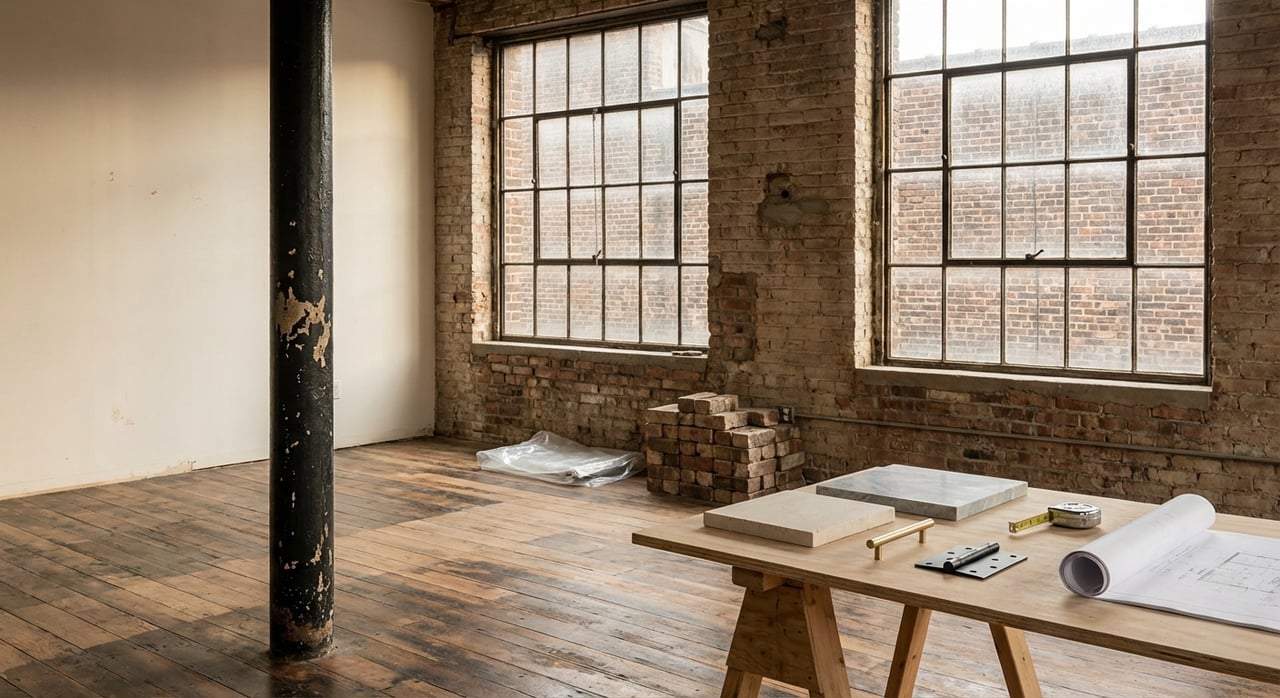
Tribeca Loft Renovation Guide to Plan With Confidence
Renovating a Tribeca loft can be thrilling. It can also be a maze of permits, board rules, historic district reviews, and hidden building quirks. If you are buying with a renovation in mind or planning a major reconfiguration, a clear plan will save you months and protect your budget. This guide gives you the approvals roadmap, building realities, timelines, and a de-risk checklist so you move forward with confidence. Let’s dive in.
Before you sketch a new kitchen or combine rooms, confirm which permits your scope will trigger. In New York City the key question is whether your project is an Alteration Type 1 or Type 2. Alt 1 changes use, egress, or occupancy and usually leads to a new or amended Certificate of Occupancy. Alt 2 covers substantial interior work without changing use or egress, and it typically closes with a Letter of Completion. Get your architect to classify the job early, since this choice affects cost, review time, and code obligations. See the city’s explanation of Alt 1 versus Alt 2 in the DOB NOW Build FAQs.
Many Tribeca lofts started life as industrial spaces. If a unit or building is an Interim Multiple Dwelling, the state Loft Law and NYC Loft Board rules apply. Legalization paths can require life-safety upgrades like egress and sprinklers, and they can limit changes to layouts and mezzanines. Confirm status early by reviewing the NYC Loft Board overview and the DOB’s Loft Law IMD design guidance.
Large parts of Tribeca sit within NYC historic districts. Exterior work that is visible from the street, including many rooftop elements and mechanicals, needs Landmarks approval. LPC staff can approve compliant work at the staff level, while more visible or complex proposals may go to a public hearing. Start with the LPC Permit Application Guide so your submission meets content and visibility standards.
If you are considering a rooftop penthouse, stair bulkhead, or new mechanicals, know that “minimally visible” additions may be approved at staff level, while visible ones often require a hearing. Plan for sightline mock-ups and photo studies. Review the LPC’s visibility rules and submittals in the Permit Guidebook chapter on Additions.
Buildings that are 6 stories or taller must file regular facade reports under the Façade Inspection and Safety Program. If the building’s facade status requires repairs or protective sheds, your rooftop or exterior timeline can stretch and costs can rise. Check the current status in the city’s FISP program overview.
In older Tribeca buildings you should plan for asbestos and lead testing before permits and demolition. NYC requires an ACP-5 or ACP-7 filing for asbestos depending on scope, which is a prerequisite to certain DOB approvals. Learn the required forms and notices in the DEP’s asbestos abatement guidance. For lead paint in pre-1978 buildings, the EPA’s RRP rule requires certified contractors and lead-safe practices. See the EPA RRP program.
Plumbing, HVAC, and fire protection are common budget drivers in lofts. Moving stacks is costly and may be limited by building rules. Large alterations and some Loft Law paths can require sprinklers that impact ceiling heights and soffits. Rooftop condensers may need Landmarks review if visible, plus DOB mechanical permits and noise mitigation. The city’s Loft Law IMD design guidance outlines when life-safety systems and specific code paths apply.
Most Tribeca buildings require a board-approved alteration package before permits or site access. Co-ops tend to be the strictest and often enforce wet-over-dry rules that limit where you can place kitchens and baths. Condos also set hours, elevator protections, insurance minimums, and deposits. For a sense of how unit combinations and plumbing issues are treated, see this practical overview from Brick Underground.
Expect your building to require contractor insurance naming the building as additional insured, plus deposits or bonds. Many boards bill back legal or engineering review fees to the owner. Confirm rules on work windows, elevator bookings, and penalties so you can set the construction schedule and budget with your general contractor.
Every building and scope is different, but these windows are common for Tribeca loft projects:
Plan for a total of 6 to 18 months from decision to move-in for a substantial reconfiguration. Board reviews, LPC hearings, and Alt 1 paths can extend this.
Work through these in order before you commit to scope or purchase:
If you are bidding on a Tribeca loft and plan a major rework, ask your architect for a short memo on whether the concept likely triggers Alt 1. Order asbestos and lead testing if the building predates 1978 so you understand sequencing and costs. Confirm board rules and facade status up front. These small steps can change your price, your terms, or your timeline.
A thoughtful plan turns a complex process into a smooth one. If you are weighing a purchase that needs work or planning a reconfiguration, get informed on permits, building rules, and timelines so you can protect your time and capital. For discreet guidance on how renovation feasibility should shape your Tribeca purchase strategy, connect with Marina Bernshtein.




Marina developed the tenacity to face challenges and adversity in fast-paced environments early on and has continued to excel. Marina is happiest when she finds the perfect home for her buyers or renters and achieves the optimal value for her sellers. Contact her today!