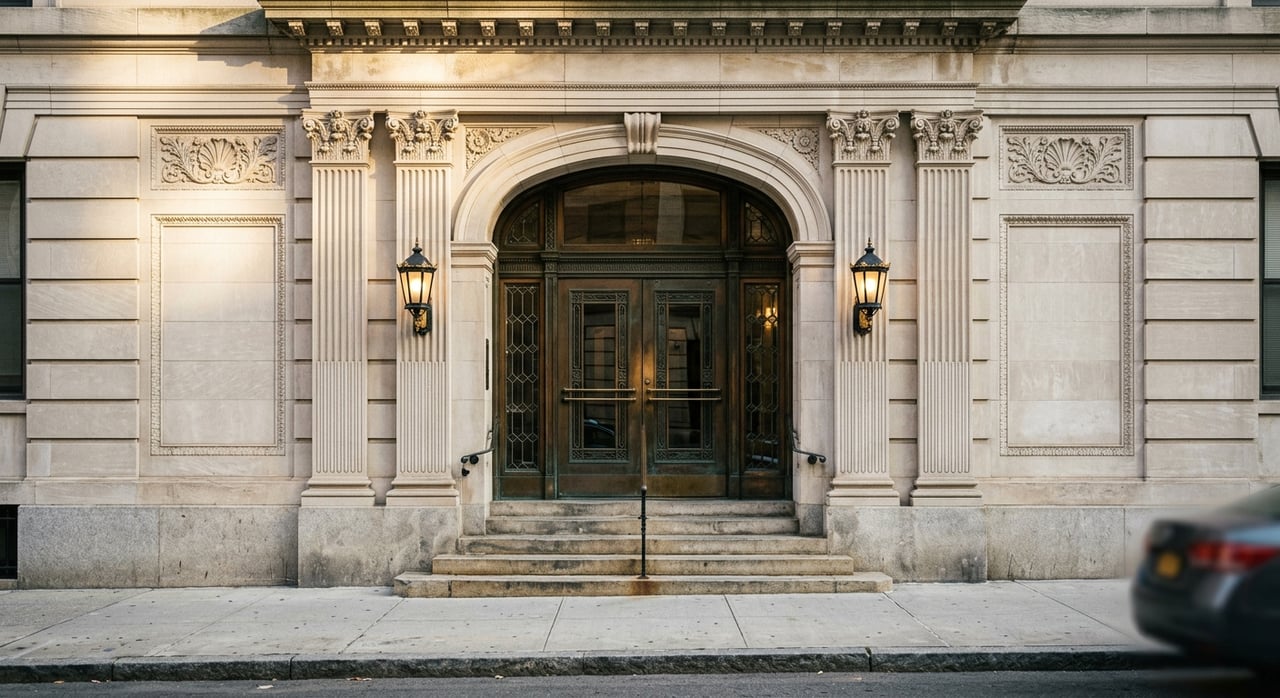
How to Recognize an Upper East Side Trophy Co-op
If you have spent any time looking at Upper East Side listings, you have probably noticed that some co-ops feel expensive, while a smaller group feels truly irreplaceable. That difference is what buyers and sellers often mean when they talk about a trophy co-op. On the Upper East Side, trophy status comes from a rare mix of location, architecture, apartment quality, and long-term building reputation. Let’s dive in.
On the Upper East Side, a trophy co-op is not defined by price alone. A large renovated apartment can command a high number, but that does not automatically make it a trophy asset.
What sets a true trophy co-op apart is scarcity on several levels at once. The address is hard to duplicate, the building has lasting architectural or historical standing, and the apartment itself offers qualities that rarely come to market.
In practical terms, the strongest Upper East Side examples usually combine address + architecture + apartment quality + building reputation. When all four are present, the home tends to stand above the broader luxury market.
On the Upper East Side, location is more nuanced than simply saying a home is in the neighborhood. The avenue, the block, and the surrounding architectural context all matter.
Fifth Avenue has long carried the greatest cachet. The New York City Landmarks Preservation Commission notes that Fifth Avenue remained reserved for the city’s wealthiest residents as the district developed, which helps explain why park-facing co-ops there continue to hold exceptional status.
Park Avenue also stands apart. Its importance is reinforced by the Park Avenue Historic District designation, which spans roughly East 79th Street to East 91st Street. For many buyers, that corridor functions as its own market within the larger Upper East Side.
Madison Avenue and certain nearby side streets can also fall into trophy territory, especially when they sit within a landmarked setting and preserve the classic Upper East Side streetscape that buyers seek.
A trophy address is not limited to the best-known avenues. In some cases, blocks east of Park Avenue also qualify when the surrounding architecture and building character remain especially intact.
The Landmarks Preservation Commission’s Upper East Side Historic District Extension includes buildings along Lexington Avenue between East 63rd Street and East 76th Street, noting a shared development history and comparable character with the adjacent historic district. That matters because it shows that prestige on the Upper East Side can extend beyond the headline corridors when the built environment supports it.
For you as a buyer or seller, the takeaway is simple: micro-location matters more than the broad neighborhood label. Two homes on the Upper East Side may have very different standing depending on the exact block and context.
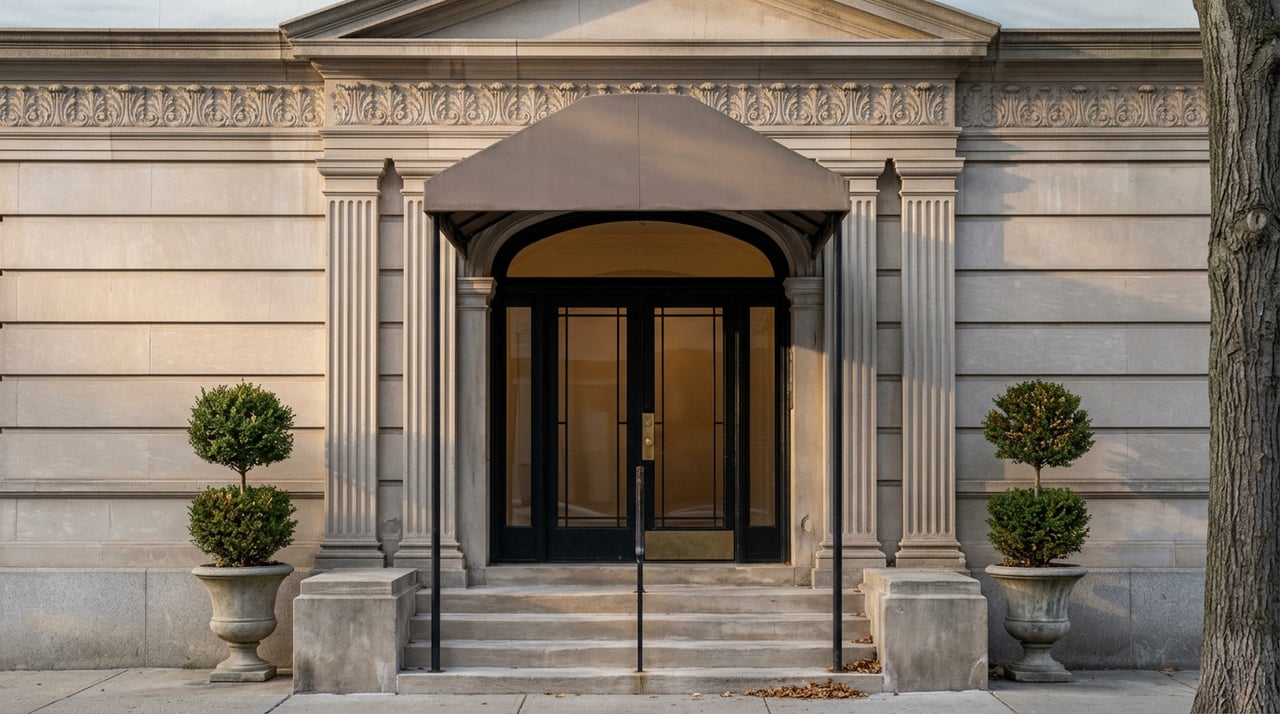
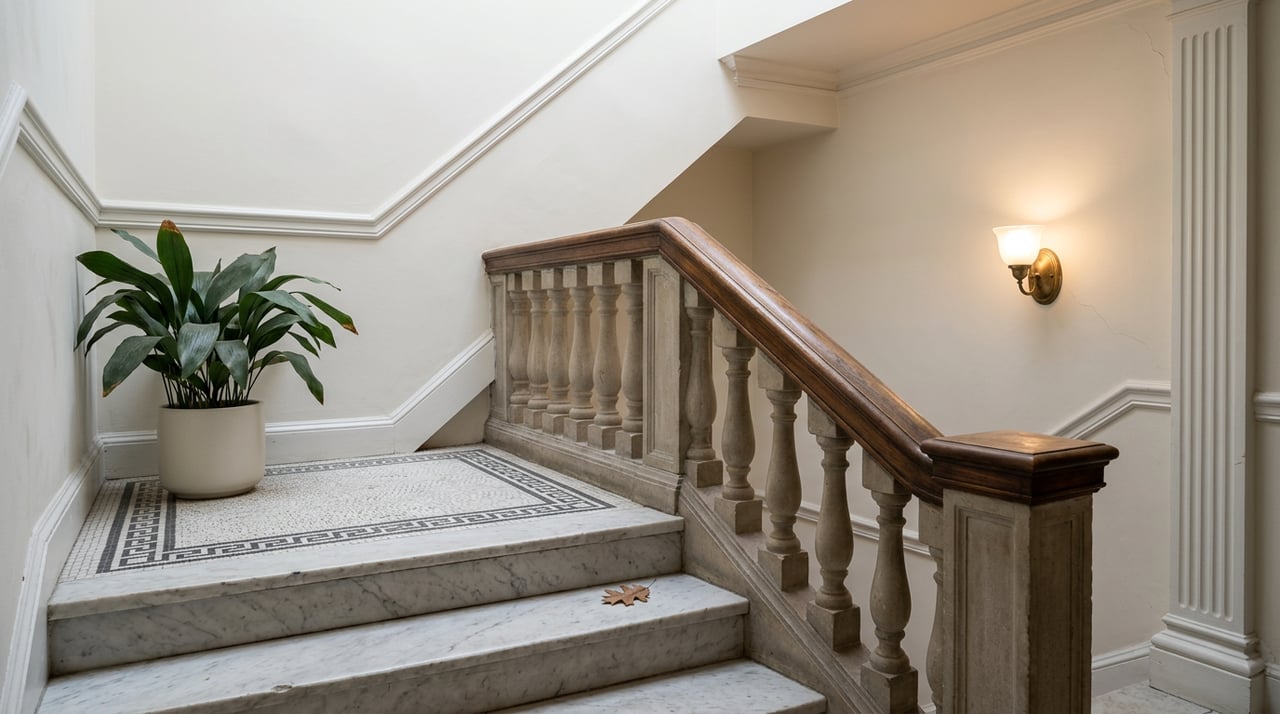
Most trophy co-ops on the Upper East Side speak a prewar architectural language. The neighborhood’s historic apartment houses were built to communicate permanence, scale, and social standing, and that legacy still shapes buyer demand today.
The Landmarks Preservation Commission describes many buildings in the district as fine examples of Renaissance Revival and Colonial Revival apartment-house design. It also notes that apartment-house living became fashionable for wealthy New Yorkers in the early 20th century.
That history helps explain why trophy buyers often respond to more than finishes. They are buying into proportion, façade character, entry sequence, and a building identity that has endured for generations.
Not all prewar buildings carry the same weight. A trophy co-op often sits in a building with a story you can explain in one sentence.
The district report identifies prominent architects and firms including J.E.R. Carpenter, Schwartz & Gross, and Cross & Cross. On the Upper East Side, that kind of pedigree can strengthen a building’s standing because it signals design authorship, not just age.
This is an important distinction. A home may be beautifully updated, but if the building itself lacks architectural identity or lasting reputation, it may be luxurious without being truly trophy.
Landmark designation does not automatically make a co-op a trophy property. Still, it can reinforce value by helping preserve the visual integrity of the block and building over time.
According to the Landmarks Preservation Commission, designation recognizes special historical, cultural, or aesthetic value, and buildings in historic districts are generally subject to review procedures for most exterior alterations. For discerning buyers, that layer of protection often supports the sense that the setting will remain architecturally coherent.
In a market where rarity matters, preserved context can be a meaningful part of the appeal.
Once the address and building pass the test, the apartment itself has to deliver. On the Upper East Side, the clearest trophy signals often include high floors, full-floor layouts, and view-driven positioning.
Recent luxury contracts illustrate the point. Mansion Global reported on a full-floor Fifth Avenue co-op of roughly 4,600 square feet on the 10th floor across from Central Park, along with a 14th-floor Park Avenue duplex with a wraparound terrace and Central Park views. It also reported that a 15th-floor apartment at 825 Fifth Avenue sold for $33.625 million in the city’s 2025 sales file.
These examples show that trophy status comes from combinations that are difficult to replicate. Size matters, but height, light, orientation, and protected outlooks often matter even more.
While every building is different, the Upper East Side trophy checklist usually includes:
You do not need every item on this list for a home to feel special. But the closer an apartment gets to this combination, the more likely it is to be seen as truly trophy.
The Upper East Side is not one uniform market. Premium avenue corridors often perform differently from the broader neighborhood, which is one reason trophy co-ops continue to command outsized attention.
Douglas Elliman and Miller Samuel’s 2025 Manhattan decade report shows that Fifth Avenue and Park Avenue corridor co-ops and condos recorded a 1.5% year-over-year increase in average price per square foot. By comparison, Upper East Side co-ops were down 0.5%, and Upper East Side condos were down 16.0%.
That does not mean every home on those avenues is a trophy asset. It does show, however, that the most prestigious corridors operate in a more insulated segment of the market.
Carnegie Hill remains one of the clearest benchmark submarkets for Upper East Side co-ops. In the 2025 Manhattan decade report, Carnegie Hill co-ops averaged $2.965 million in sale price, with a median of $1.95 million and an average of $1,591 per square foot across 216 closed sales.
The report defines Carnegie Hill co-op territory as west of Lexington Avenue between East 86th and East 96th Streets. Within that geography, the top properties tend to benefit from exactly the traits that support trophy status: strong address identity, prewar stock, and lasting architectural character.
This is not just a nostalgic category. Trophy co-ops continue to play a major role in current Upper East Side luxury activity.
Mansion Global reported in May 2025 that nearly half of Manhattan’s luxury contracts in one week were on the Upper East Side. It also noted that the two most expensive homes to go into contract were both co-ops, including a full-floor Fifth Avenue apartment and a Park Avenue duplex.
That kind of activity reinforces a simple truth: on the Upper East Side, the best co-ops still sit at the center of the luxury conversation.
This is often where buyers and sellers benefit from the clearest advice. A home can be expensive because it is large, newly renovated, or asking into a strong market. A trophy co-op is something narrower and rarer.
A trophy property is difficult to duplicate. Its value is tied to a specific address, a recognizable building, an apartment with exceptional qualities, and a reputation that tends to survive changing market cycles.
If the main appeal is square footage or a polished renovation, the home may still be highly desirable. But if the appeal rests on landmark context, notable pedigree, scarce layout, and singular views or proportions, that is when you are likely looking at a true Upper East Side trophy co-op.
For buyers, that distinction can help you understand where long-term scarcity lives. For sellers, it can shape pricing, positioning, and the story that should lead the marketing.
In a market as nuanced as the Upper East Side, that kind of judgment benefits from careful, discreet guidance. If you are evaluating a significant co-op purchase or preparing a standout residence for sale, Marina Bernshtein offers confidential, high-touch advisory service grounded in Manhattan luxury expertise.


Marina developed the tenacity to face challenges and adversity in fast-paced environments early on and has continued to excel. Marina is happiest when she finds the perfect home for her buyers or renters and achieves the optimal value for her sellers. Contact her today!