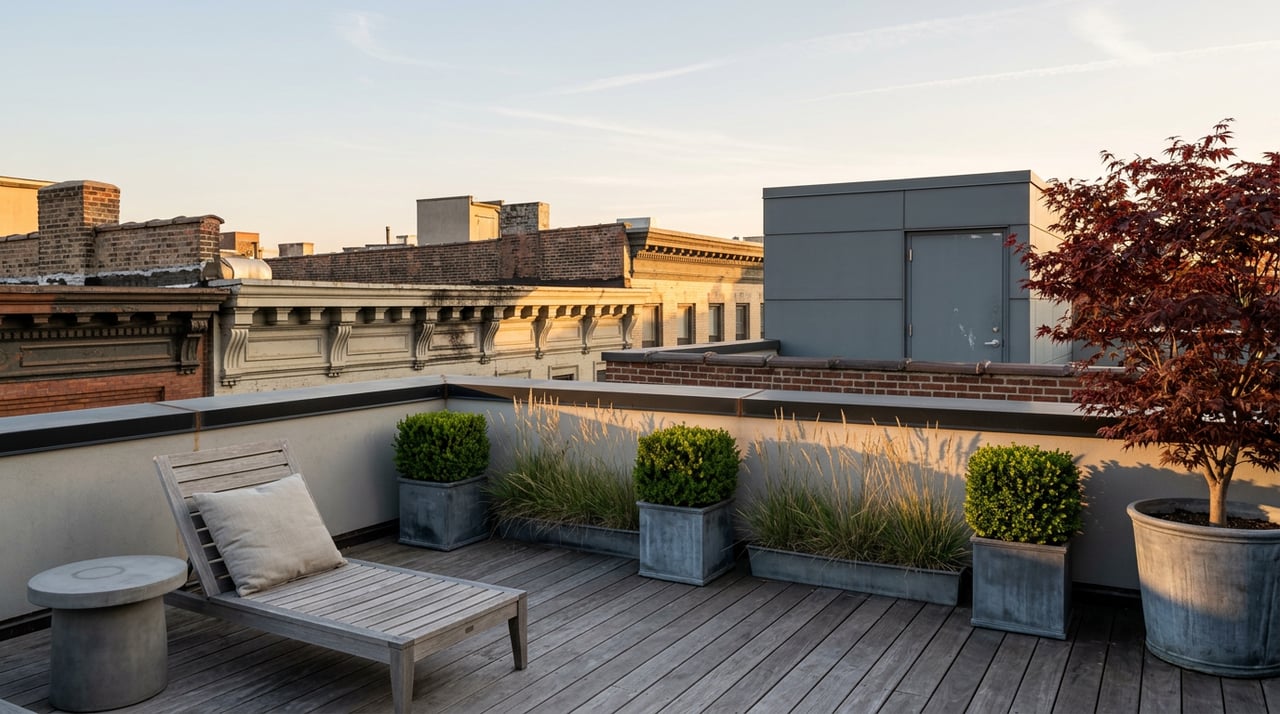
Why 101 Franklin Is Different in Tribeca Condo Conversions
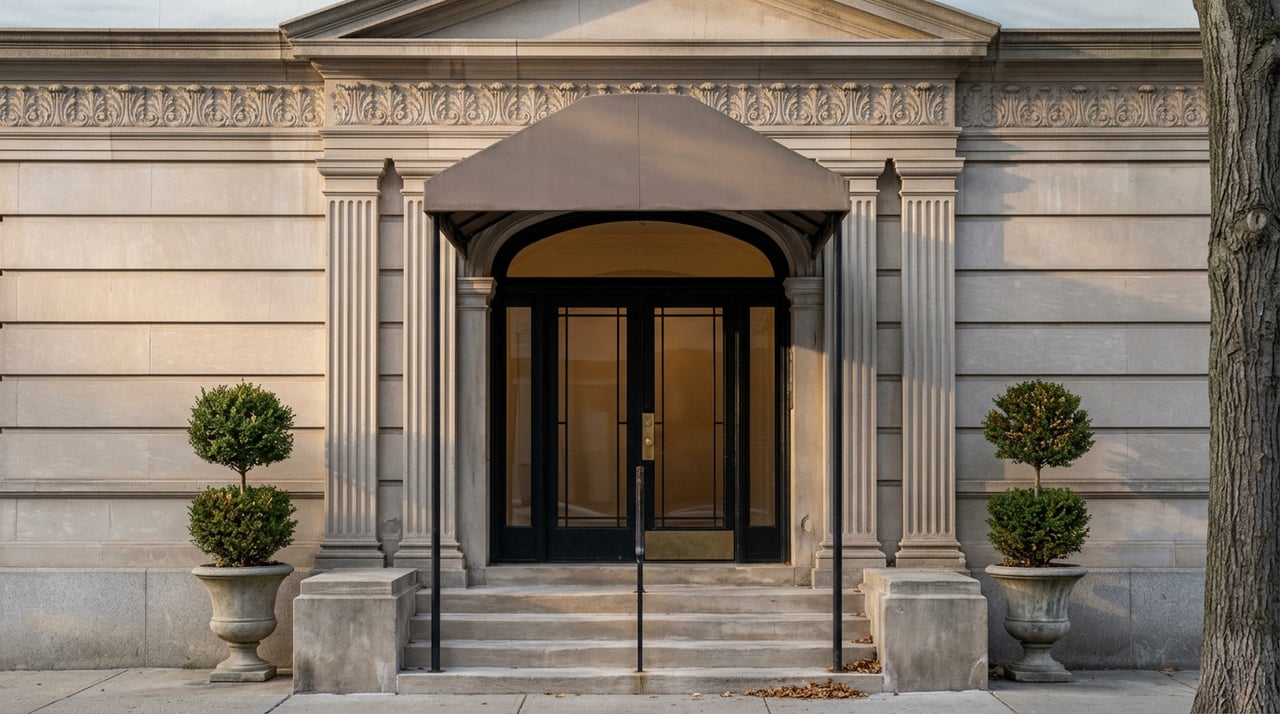
Plans are moving forward to add four floors on top of an existing 17-story building at 101 Franklin Street. When the addition tops out, the structure will reach 21 stories and 304 feet, and the finished project is set to hold 72 condominium units in two- to five-bedroom layouts, a small retail base, and 15 enclosed parking spots. Skylight Real Estate Partners, Cannon Hill Capital Partners, and TPG are behind the deal, with Steven Harris Architects handling design and Hill West Architects serving as architect of record.
That is a normal-sounding Tribeca construction story until you set it next to what is happening everywhere else in Manhattan south of 59th Street. Across the borough, a wave of office buildings is converting to residential use under a tax program that comes with a specific string attached: the new apartments have to be rentals, and a quarter of them have to be set aside as income-restricted, rent-stabilized units. That is not what is happening at 101 Franklin. It is condos, full stop, with no affordability set-aside because the program that is subsidizing conversions elsewhere in the city was never designed to touch this one.
If you are weighing a Tribeca purchase against something new in FiDi or Midtown South right now, that distinction is worth more than a passing mention. It changes what you are financing, who your future neighbors are, and why the price per square foot on new Tribeca product keeps climbing even as the rest of the conversion market fills up with subsidized rentals.
New York State's RPTL 467-m program, enacted in the 2024 state budget, is the engine behind the current conversion boom. It grants a property tax exemption, worth up to a 90 percent reduction inside Manhattan's Prime Development Area south of 96th Street, to owners who turn commercial buildings into residential ones. The richest tier, a 35-year benefit, went to projects that started construction by June 30, 2026, a deadline that has already come and gone. Anything commencing now falls into the 30-year tier, which itself expires at the end of June 2028, then a final 25-year tier running through mid-2031.
The trade is straightforward: in exchange for the tax break, the building has to operate as rental housing, and at least 25 percent of the units have to go to households earning around 80 percent of the area median income, permanently rent-stabilized. The New York City Comptroller's office estimated that the pipeline of projects able to start by that June 2026 deadline covers 12.2 million square feet in Manhattan south of 59th Street, producing roughly 14,500 apartments, 3,600 of them income-restricted, at a present-value cost to the city of $5.6 billion in forgone tax revenue. Reporting in late July put the number of projects already underway at 44.
That is not a marginal program. It is reshaping entire blocks of Midtown South and the Financial District, converting aging office towers, including 675 Third Avenue in Midtown East, where an addition of four floors is set to turn a 321,000-square-foot building into 464 rental units, into apartment stock that didn't exist two years ago. Corcoran Sunshine's tracking of the broader conversion pipeline found the split runs heavily toward rentals: an estimated 2,000 rental units against 317 condos delivering from conversions this year, widening to 5,240 rentals versus 427 condos in 2027, then 6,540 rentals against just 242 condos in 2028. Condos are the exception in this cycle, not the rule, and the 467-m tax exemption structurally cannot reach them, since the program requires the building be operated as rental housing.
Here is where the Comptroller's own analysis gets interesting for anyone shopping Tribeca specifically. The fiscal note that costed out the citywide program flagged an uneven fit: the tax exemption is, in the Comptroller's own language, more likely to be pivotal in Midtown, where office values have fallen enough that a rental conversion doesn't pencil without the subsidy, and likely too generous in what the report defines as Lower Manhattan, meaning the Financial District and Tribeca. In those neighborhoods, the analysis found the program is effectively purchasing income-restricted units at the cost of the property tax a fully market-rate development would have paid anyway, because the conversion economics already worked without the incentive.
Translate that out of fiscal-note language: Tribeca land is valuable enough that a developer converting an office building here doesn't need the government's help to make the numbers work. There's no reason to take on rent-stabilized tenants and a 35-year affordability commitment when a straight condo sale at Tribeca prices covers the cost of construction on its own. That is very likely the practical explanation for why 101 Franklin is coming to market as 72 condos rather than a rental building with 18 income-restricted units mixed in.
| Typical 467-m rental conversion (Midtown/FiDi pattern) | 101 Franklin Street, Tribeca | |
|---|---|---|
| Ownership structure | Rental only, per program rule | Condominium |
| Affordability requirement | 25% of units income-restricted, rent-stabilized in perpetuity | None |
| Property tax treatment | Up to 90% exemption for up to 35 years | Standard market-rate tax assessment |
| Who lives next door | Mix of market-rate and rent-stabilized tenants under one roof | All owners, no tenancy mix |
| Financing type for buyer | Not applicable, building is rental | Standard condo mortgage |
For a buyer, that table isn't academic. If you're comparing a new-development unit in FiDi or Midtown South against something in Tribeca, you are not comparing two versions of the same product. One building has permanent tenants under a different legal and financial structure than the owners. The other doesn't. That affects building governance, reserve fund planning, and how quickly the building's finances stabilize, none of which shows up in a listing sheet.
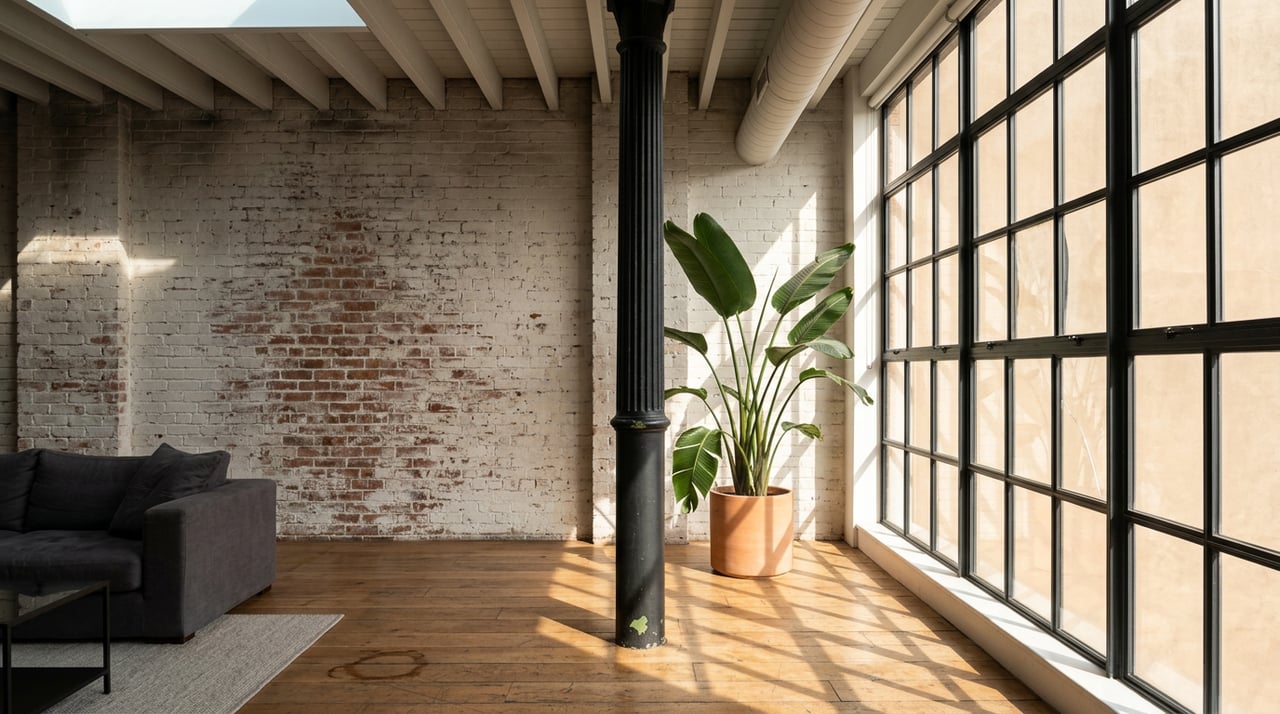
The other side of this comparison is Tribeca's existing stock, and it carries its own friction that new conversions don't have. Much of the neighborhood's classic loft inventory, the cast-iron and warehouse buildings that gave Tribeca its identity in the first place, converted to residential use decades ago under New York's Loft Law framework, and many of those buildings are organized as co-ops rather than condos. Before a lender will finance a purchase in one of these buildings, someone has to confirm the certificate of occupancy actually matches residential use and that any Loft Board legalization history is resolved, because a mismatch between the paperwork and the apartment's actual use can stall or kill a mortgage outright. It's a documented pattern in this market: buyers who fall for a loft's volume and light before confirming its legal status have ended up unable to close.
That legwork has a price. Authentic Tribeca loft conversions have been trading in the $2,000 to $3,500 per square foot range in 2026, while pedigreed new-development condos in the neighborhood run $3,500 to $5,500 or more per square foot over the same period. Some of that gap is finish level and amenities. Some of it is the fact that a new building comes with a clean certificate of occupancy from the day it opens, no Loft Board history to untangle, and financing that behaves like a normal condo purchase rather than a co-op board process layered on top of a legal-status review.
Tribeca held its position through the first quarter of 2026 as the most expensive large neighborhood in Manhattan by price per square foot, with composition-weighted pricing on prime downtown loft inventory running $2,500 to $3,500 or more per square foot, and neighborhood median listing prices near $4.4 million. Manhattan-wide, the second quarter of 2026 told a more pointed story about supply: total contracts across the borough rose 4 percent year over year to 3,188, but new-development contracts fell 14.6 percent over the same period, with new-development listings down 14.4 percent. Condos overall signed more contracts than a year earlier, but new listings across the market fell nearly 7 percent, which is the supply side keeping prices firmer than demand alone would explain.
Set 101 Franklin's 72 units against that backdrop and the significance sharpens. New-development inventory in Manhattan is shrinking at the same time a conversion boom elsewhere in the city is adding thousands of rental apartments that a for-sale buyer can't touch. A Tribeca condo building delivering as pure for-sale product, with no affordability mandate diluting the unit count or the building's finances, is landing in a market where that specific kind of inventory is getting scarcer, not more common.
Does the 467-m tax break apply to any condo building? No. The program's own rules require that eligible buildings operate as rental housing, so a condominium conversion cannot receive the exemption regardless of where it sits in Manhattan.
Will 101 Franklin have rent-stabilized units in the building? Based on its condominium structure, no. The 467-m affordability requirement only attaches to buildings taking the rental tax exemption, and a for-sale conversion sits outside that framework entirely.
Is an older Tribeca loft co-op still a reasonable option next to new conversions like this? It can be, and the lower price per square foot reflects real value for the right buyer. The trade is upfront diligence: confirming the certificate of occupancy matches residential use and that any Loft Board legalization history is closed out before you're deep into a mortgage application.
Comparing a legacy Tribeca loft against a new conversion condo, or Tribeca against a FiDi or Midtown South building where a quarter of your neighbors hold a different kind of lease entirely, is not a decision a listing sheet settles on its own. Marina Bernshtein works these distinctions for a living across Tribeca's resale and new-development inventory. Schedule a confidential consultation to talk through which building actually fits what you're trying to buy.
Marina developed the tenacity to face challenges and adversity in fast-paced environments early on and has continued to excel. Marina is happiest when she finds the perfect home for her buyers or renters and achieves the optimal value for her sellers. Contact her today!